













NNPC aims to build energy ecosystem for Africa
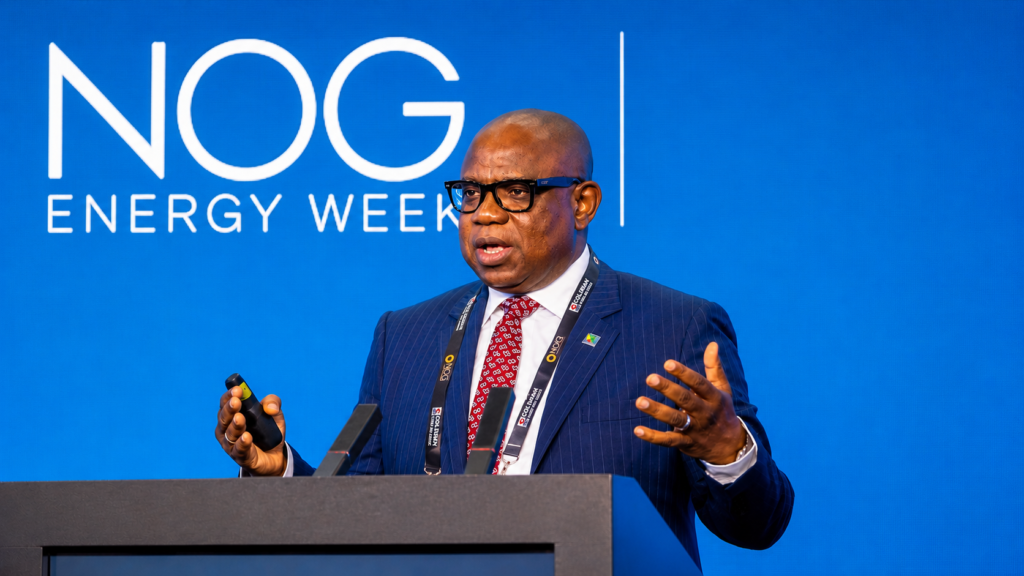
The Nigerian National Petroleum Company Limited (NNPC Ltd.) has reaffirmed its commitment to building a robust and integrated energy ecosystem for Africa, describing regional collaboration as essential to achieving energy security, economic growth and sustainable development across the continent.
The company said Africa possesses enormous energy resources capable of transforming its economies if governments, investors and private sector stakeholders work together to expand infrastructure, increase investment and strengthen cross-border cooperation.
The declaration comes as African countries continue to pursue policies aimed at balancing energy access with the global transition toward cleaner and more sustainable energy sources.
The NNPC aims to build energy ecosystem for Africa initiative reflects the company’s broader vision of positioning Nigeria as a strategic energy hub while promoting regional integration within Africa’s oil, gas and emerging renewable energy sectors. (nnpcgroup.com)
Regional Collaboration Identified as Key Priority
Speaking on the company’s long-term strategy, NNPC Ltd. emphasised that no single African country can independently unlock the continent’s full energy potential.
Officials noted that stronger partnerships among governments, energy companies, financial institutions and development organisations would help accelerate investment in critical infrastructure while improving energy access for millions of Africans.
According to the company, collaboration remains essential for expanding pipeline networks, refining capacity, gas utilisation, electricity generation and renewable energy projects.
The NNPC aims to build energy ecosystem for Africa strategy therefore focuses on creating an interconnected energy market capable of supporting industrialisation and economic development across national borders.
Africa’s Energy Potential Remains Vast
Despite possessing significant oil, natural gas, solar, hydro and wind resources, Africa continues to experience one of the world’s lowest levels of energy access.
According to international energy agencies, hundreds of millions of Africans still lack reliable electricity, while many households continue to depend on traditional fuels for cooking.
Energy experts argue that expanding access to affordable and reliable energy remains critical for improving healthcare, education, industrial productivity and overall economic development.
The NNPC aims to build energy ecosystem for Africa vision seeks to address these challenges through investment, innovation and regional cooperation. (iea.org)
https://ogelenews.ng/nnpc-aims-to-build-energy-ecosystem-for-africa
Natural Gas Positioned as Transition Fuel
NNPC reiterated Nigeria’s commitment to utilising natural gas as a transition fuel capable of supporting economic development while reducing carbon emissions.
The company noted that Africa’s abundant gas reserves present an opportunity to improve electricity generation, support industrial growth and reduce dependence on more carbon-intensive fuels.
Nigeria has consistently promoted initiatives such as the “Decade of Gas” programme to encourage domestic gas utilisation and attract investment into gas infrastructure.
The NNPC aims to build energy ecosystem for Africa strategy therefore places significant emphasis on natural gas as a bridge between conventional hydrocarbons and cleaner energy systems.
Investment Needed to Unlock Growth
Industry experts believe achieving an integrated African energy market will require substantial long-term investment.
Priority areas include:
- Oil and gas infrastructure.
- Regional pipelines.
- Electricity transmission networks.
- Refineries.
- Renewable energy projects.
- Energy storage facilities.
- Digital energy technologies.
Analysts say improving regulatory certainty and creating investment-friendly environments will also be essential to attracting international capital.
The NNPC aims to build energy ecosystem for Africa initiative is expected to encourage greater public-private partnerships while strengthening regional energy cooperation.
Energy Security and Economic Development
Energy security remains one of the most important drivers of economic growth across Africa.
Reliable energy supports manufacturing, transportation, agriculture, healthcare, telecommunications and digital innovation.
Experts argue that improving energy availability could significantly accelerate industrialisation while creating millions of jobs across the continent.
The NNPC aims to build energy ecosystem for Africa vision therefore aligns with broader continental objectives under the African Continental Free Trade Area (AfCFTA) and the African Union’s development agenda.
Balancing Energy Transition and Development
NNPC also stressed that Africa’s energy transition must reflect the continent’s unique economic realities.
While supporting cleaner energy technologies, the company argued that African nations should retain the flexibility to utilise available hydrocarbon resources responsibly as they pursue sustainable development.
Industry observers note that many African countries continue advocating a “just energy transition” that balances climate objectives with poverty reduction, industrialisation and energy access.
The NNPC aims to build energy ecosystem for Africa proposal reflects this approach by promoting both conventional and renewable energy investments.
Looking Ahead
As Africa continues to attract global attention as an emerging energy frontier, stakeholders expect stronger collaboration among governments, investors and energy companies.
NNPC believes regional integration, infrastructure development and innovation will determine how effectively Africa transforms its abundant natural resources into sustainable economic growth.
If successfully implemented, the NNPC aims to build energy ecosystem for Africa strategy could strengthen energy security, expand investment opportunities and improve access to reliable energy for millions across the continent.
Ultimately, the initiative reinforces Nigeria’s ambition to play a leading role in shaping Africa’s future energy landscape while supporting inclusive and sustainable development.