
















Lagos doctor shortage
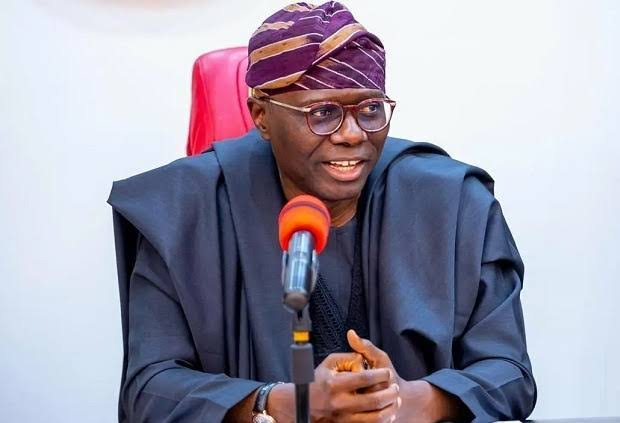
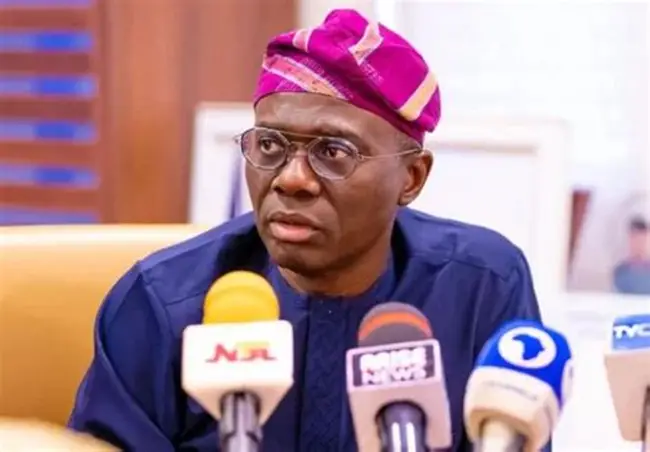
Lagos State Governor Babajide Sanwo-Olu has raised fresh concerns over the growing shortage of medical personnel in Nigeria’s commercial capital, revealing that the state currently requires about 40,000 additional doctors to adequately meet the healthcare needs of its rapidly expanding population.
The governor said the shortage has placed enormous pressure on healthcare facilities across Lagos, affecting service delivery in public hospitals and increasing the workload on available medical professionals.
Speaking at a health sector event, Sanwo-Olu noted that despite continued investments in hospitals, medical equipment and healthcare infrastructure, the shortage of qualified doctors remains one of the greatest challenges confronting the state’s health system.
According to him, addressing the deficit will require sustained investment in medical education, improved working conditions and stronger retention policies capable of reducing the migration of healthcare professionals.
The latest disclosure means the Lagos doctor shortage has once again become a central issue in discussions about Nigeria’s healthcare workforce and the future of public health services. (https://punchng.com/health-crisis-lagos-short-of-40000-doctors-sanwo-olu/)
Sanwo-Olu Raises Alarm Over Healthcare Workforce
Governor Sanwo-Olu explained that Lagos continues to experience extraordinary population growth, creating increasing demand for healthcare services.
As Nigeria’s economic centre, the state receives thousands of new residents every week, placing additional pressure on hospitals, clinics and emergency medical services.
He noted that while the government continues expanding healthcare infrastructure, medical personnel have not increased at the same pace.
The Lagos doctor shortage therefore represents both a workforce challenge and a public health concern requiring long-term planning.
The governor emphasised that strengthening healthcare delivery depends as much on qualified personnel as on physical infrastructure.
Why Lagos Needs More Doctors
Medical experts generally assess healthcare workforce needs by comparing doctor-to-population ratios with recognised international standards.
Although Lagos has one of Nigeria’s largest concentrations of healthcare professionals, its rapidly growing population continues to outpace workforce expansion.
Urbanisation, increasing life expectancy and rising demand for specialised medical care have further intensified pressure on existing facilities.
The Lagos doctor shortage reflects these demographic realities as well as broader national healthcare workforce challenges.
Public health specialists argue that expanding the number of practising doctors remains essential to improving healthcare access.
https://ogelenews.ng/agos-doctor-shortage
Brain Drain Remains a Major Factor
One of the principal contributors to Nigeria’s healthcare workforce shortage is the migration of doctors to other countries.
Medical professionals frequently cite improved remuneration, better working conditions, access to advanced technology and greater career opportunities abroad as reasons for relocating.
Professional associations have repeatedly expressed concern about the increasing number of Nigerian doctors leaving the country.
The continuing Lagos doctor shortage has therefore been linked partly to the broader issue of medical brain drain.
Health policy experts argue that retention strategies are becoming as important as training new doctors.
Government Expands Health Infrastructure
The Lagos State Government says it has continued investing in hospitals, primary healthcare centres and specialist medical facilities.
Several infrastructure projects have been undertaken to improve access to quality healthcare for residents.
Officials also highlighted investments in diagnostic equipment, emergency response systems and digital health initiatives.
However, Sanwo-Olu observed that infrastructure alone cannot solve the Lagos doctor shortage without corresponding increases in qualified medical personnel.
Hospitals require adequate staffing to deliver effective healthcare services.
Medical Education and Training
Expanding the number of practising doctors depends significantly on Nigeria’s medical education system.
Universities and teaching hospitals play a critical role in producing future healthcare professionals.
Experts have argued that increasing admission capacity, strengthening residency programmes and improving teaching facilities could help address workforce shortages over time.
The Lagos doctor shortage has renewed attention on the need to expand medical education while maintaining professional standards.
Investment in training remains essential for long-term workforce sustainability.
Healthcare Demand Continues to Rise
Lagos hosts one of Africa’s fastest-growing urban populations.
Population growth inevitably increases demand for primary healthcare, specialist treatment, maternal services, emergency care and disease prevention programmes.
An ageing population and the growing burden of non-communicable diseases further increase healthcare requirements.
Consequently, the Lagos doctor shortage affects not only hospital operations but also broader public health planning.
Health administrators continue seeking strategies capable of meeting these expanding demands.
Experts Recommend Comprehensive Reforms
Healthcare specialists generally argue that solving workforce shortages requires multiple complementary reforms.
Among the frequently recommended measures are:
- Improved remuneration.
- Better working conditions.
- Expanded residency opportunities.
- Increased medical school capacity.
- Modern hospital infrastructure.
- Professional development programmes.
- Enhanced research funding.
These reforms, experts say, could gradually reduce the Lagos doctor shortage while strengthening the overall healthcare system.
Long-term planning remains essential because workforce expansion requires several years.
National Implications
Although the governor’s remarks focused on Lagos, healthcare workforce shortages affect many Nigerian states.
Rural communities often experience even greater difficulty attracting and retaining qualified medical professionals.
Federal and state governments therefore face similar challenges involving recruitment, retention and workforce planning.
The debate surrounding the Lagos doctor shortage reflects broader national concerns about healthcare sustainability.
Improving workforce capacity will require coordinated action across all levels of government.
Ogele News Perspective
Governor Sanwo-Olu’s disclosure highlights one of the most significant long-term challenges facing Nigeria’s healthcare system.
Hospitals cannot function effectively without adequate numbers of trained doctors, regardless of investments in buildings and medical equipment.
The estimated need for 40,000 additional doctors illustrates the scale of the workforce challenge confronting Lagos.
However, expanding medical education alone will not solve the problem if newly trained doctors continue leaving the country in large numbers.
Retention policies, improved welfare, competitive remuneration and supportive working environments must accompany increased training capacity.
The Lagos doctor shortage should therefore be viewed as both an educational and workforce management challenge.
Addressing it will require collaboration among governments, universities, teaching hospitals, professional associations and development partners.
If sustained reforms are implemented, Lagos could strengthen its healthcare workforce while providing a model for broader national health sector development.
https://health.lagosstate.gov.ng