












Air Peace flight disruption
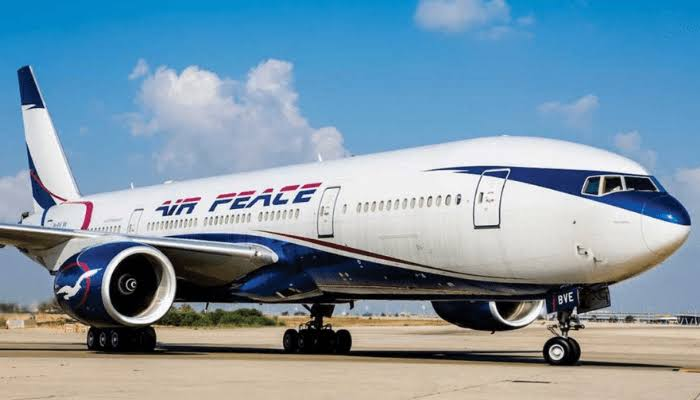
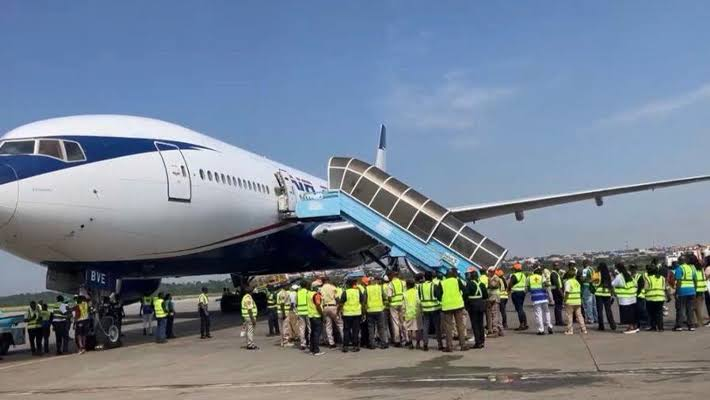
LAGOS, Nigeria — Air Peace has apologised to passengers after aviation unions disrupted its operations at major Nigerian airports, triggering flight cancellations and delays and leaving travellers stranded as a long-running dispute in the aviation industry escalated.
The Air Peace flight disruption began on Tuesday after aviation unions commenced industrial action affecting the airline’s operations, particularly at airports in Lagos and Abuja.
The action disrupted scheduled flights and created difficulties for hundreds of passengers who arrived at airports expecting to travel.
Air Peace subsequently apologised to affected customers, describing the situation as beyond its immediate control and assuring passengers that it was working to restore normal operations.
The dispute, however, quickly developed into a broader aviation industry problem as the impact spread to other domestic carriers.
Air Peace apologises to stranded passengers
In its response to the Air Peace flight disruption, the airline expressed regret over the inconvenience suffered by passengers whose flights were cancelled, delayed or otherwise affected.
The carrier said aviation unions had picketed its operations, affecting its ability to conduct scheduled services.
For passengers, the consequences were immediate.
Travellers faced delays and cancellations at airport terminals, while airlines struggled to operate normally amid restrictions caused by the industrial action.
The development again highlighted how quickly labour disputes within Nigeria’s aviation sector can affect travellers who are not directly involved in disagreements between airlines, regulators and unions.
https://ogelenews.ng/air-peace-apologises-as-union-action-disrupts-fligh…
Why aviation unions took action
The dispute behind the Air Peace flight disruption involves more than a disagreement over scheduled flights.
Reports indicate that aviation unions raised concerns over the five per cent Ticket Sales Charge collected from airlines for aviation agencies, while questions surrounding the unionisation of Air Peace employees also featured prominently in the confrontation.
The unions involved in the action included aviation labour organisations alongside the Nigeria Labour Congress and Trade Union Congress.
Air Peace workers, however, reportedly challenged aspects of the union action, with some employees distancing themselves from the picketing.
The competing claims created a complicated industrial dispute involving workers, organised labour, airline management and aviation regulators.
NCAA intervenes as crisis deepens
The Nigeria Civil Aviation Authority intervened as the Air Peace flight disruption intensified.
The regulator appealed for restraint and urged the unions to suspend their industrial action in the interest of passengers and the stability of domestic aviation.
The NCAA’s intervention became increasingly important as the effects of the dispute extended beyond a single airline.
With passengers stranded and other carriers affected, the confrontation threatened wider disruption across Nigeria’s domestic aviation network.
The episode also raised questions about whether disputes involving financial obligations between airlines and aviation agencies should be allowed to escalate to a point where airport operations and uninvolved passengers are severely affected.
Other airlines caught in disruption
Although Air Peace was at the centre of the confrontation, it was not the only airline affected.
Reports indicated that United Nigeria Airlines and other carriers experienced disruptions as access and operations at affected terminals became difficult.
More than 80 flights were reportedly cancelled across affected airlines during the crisis, according to industry reporting, while the financial impact on the aviation industry was estimated in the billions of naira.
Those figures illustrate why the Air Peace flight disruption became a national aviation story rather than simply an industrial disagreement between one airline and organised labour.
Domestic aviation operates through an interconnected airport system. When access to terminals, runways or other critical facilities is disrupted, the effects can spread rapidly to airlines that are not directly involved in the original dispute.
Passengers ultimately bear much of that burden through missed appointments, disrupted business trips, additional accommodation costs and uncertainty over onward travel.
Unions temporarily suspend industrial action
By Wednesday, August 12, domestic airlines had begun restoring flight operations after aviation unions temporarily suspended their industrial action.
Air Peace and United Nigeria Airlines were among carriers working to restore services and accommodate passengers affected by the previous day’s disruption.
The temporary suspension brought immediate relief to travellers, but it did not necessarily mean that the underlying disagreements had been permanently resolved.
This distinction is important.
The end of the immediate Air Peace flight disruption does not automatically settle the questions surrounding ticket sales charges, unionisation and the relationship between airline operators and aviation unions.
Further discussions among the parties will therefore be crucial in preventing another disruption.
Passengers face backlog after flights resume
Restoring flight operations after a major disruption is not always immediate.
Airlines must deal with passengers from cancelled flights while simultaneously attempting to operate their existing schedules.
Aircraft and crew may also be displaced from their originally scheduled locations.
As a result, passengers could continue to experience delays even after the industrial action has been suspended.
Air Peace said it was working to accommodate customers affected by the disruption as operations resumed.
Travellers with scheduled flights should therefore confirm their flight status directly with their airline before proceeding to the airport.
Wider questions for Nigeria’s aviation industry
The Air Peace flight disruption has once again brought attention to the vulnerability of Nigeria’s aviation industry to industrial disputes.
Airlines, aviation agencies, workers and unions all have legitimate interests within the sector.
Workers have rights to representation and collective action within the law. Regulators also have responsibility for collecting statutory charges and ensuring compliance, while airlines must remain commercially viable and meet their obligations.
But passengers also have rights.
They purchase tickets with the expectation that airlines and the wider aviation system will make reasonable efforts to deliver the services paid for.
When disagreements escalate into airport shutdowns or widespread flight cancellations, passengers can become collateral victims of disputes over which they have little or no control.
That makes dialogue and early dispute resolution essential.
Regulators face test after disruption
The NCAA and other relevant aviation authorities now face the challenge of helping the parties reach a sustainable settlement.
A temporary suspension of industrial action can restore flights, but it does not eliminate the possibility of another confrontation if the underlying issues remain unresolved.
The aftermath of the Air Peace flight disruption should therefore provide an opportunity for the regulator, airlines and organised labour to establish clearer mechanisms for addressing disagreements before they reach the airport terminal.
Nigeria’s aviation industry is too important to the movement of people, commerce and investment for major operational facilities to become recurring battlegrounds in industrial disputes.
Focus shifts to lasting settlement
For Air Peace, the immediate priority is clearing the passenger backlog and restoring confidence among travellers whose journeys were disrupted.
For the unions, attention will return to the grievances that triggered the action.
And for the NCAA, the challenge will be balancing regulatory enforcement, industrial relations and protection of the travelling public.
The Air Peace flight disruption demonstrated how quickly a dispute involving one major airline can produce consequences across the wider aviation system.
With flights now returning following the temporary suspension of the industrial action, passengers will hope the parties use the opportunity to negotiate rather than allow another confrontation to develop.
The most important measure of success will not simply be how quickly aircraft return to the skies.
It will be whether Air Peace, aviation unions, regulators and other stakeholders can resolve their differences without forcing passengers to bear the cost of another
industry-wide confrontation.
https://ncaa.gov.ng/?utm_source=chatgpt.com