












DisCos revenue
Nigeria’s electricity distribution companies collected ₦801.16bn from consumers between January and April 2026, even as millions of households and businesses continued to endure persistent blackouts, poor supply and rising frustration over estimated billing.
The figures, drawn from commercial performance data released by the Nigerian Electricity Regulatory Commission, show that the 11 distribution companies maintained strong cash collections despite one of the most difficult supply periods in recent months.
According to the data, the DisCos revenue stood at ₦204.74bn in January, ₦196.68bn in February, ₦196.13bn in March and ₦203.61bn in April. This brought total DisCos revenue for the four-month period to ₦801.16bn.
Yet, the revenue came during a period when electricity supply remained unstable across the country. Homes, shops, factories and offices were forced to rely heavily on generators, solar systems and other costly alternatives as gas shortages and generation constraints limited available power on the national grid.
The contradiction is familiar to many Nigerians: bills continue to arrive, but electricity does not. For consumers, the latest DisCos revenue figure raises a painful question. If the companies collected more than ₦801bn in four months, why has service delivery remained so poor?
NERC data showed that the distribution companies billed consumers about ₦1.01tn between January and April but recovered ₦801.16bn, leaving about ₦207.77bn uncollected. In January alone, the companies billed ₦268.20bn and collected ₦204.74bn. In February, billings dropped to ₦242.29bn, while collections stood at ₦196.68bn. March recorded ₦246.43bn in billings and ₦196.13bn in collections. By April, billings rose to ₦252.43bn, while collections reached ₦203.61bn.
The figures show that DisCos revenue remains significant, but the power sector’s deeper problems have not disappeared. Revenue collection is only one side of the crisis. The other side is whether consumers are getting value for what they pay.
https://ogelenews.ng/discos-revenue-hits-₦801bn-despite-persistent-black…
For months, electricity generation was badly affected by inadequate gas supply to thermal power plants. Since Nigeria’s grid depends heavily on gas-fired plants, any disruption in gas supply quickly affects generation. During the first quarter of 2026, generation reportedly fell sharply, forcing the Transmission Company of Nigeria to ration limited supply to distribution companies.
The result was widespread load shedding. Many communities received only a few hours of electricity daily, while others went for long periods with little or no supply. Small businesses were hit hard as fuel costs increased their operating expenses. Families also faced higher costs from petrol, diesel, inverter batteries and solar charging.
Despite these difficulties, DisCos revenue remained high. This has renewed public anger over estimated billing, poor metering and weak customer service. Many consumers complain that they are billed for electricity they did not enjoy, while those without prepaid meters remain vulnerable to disputed charges.
The metering gap remains one of the biggest problems in the electricity market. Without meters, billing is often based on estimates, creating distrust between consumers and distribution companies. This distrust deepens whenever power supply is poor but bills remain high.
Performance across the DisCos was also uneven. Some companies showed stronger recovery efficiency, while others continued to struggle. Eko DisCo remained one of the best performers, while Abuja, Ikeja, Port Harcourt and Benin also posted relatively stronger results. However, Kaduna, Kano and Jos DisCos lagged behind, reflecting the uneven commercial health of the distribution network.
The DisCos revenue story must therefore be understood carefully. It is not simply a story of companies collecting money. It is a story of a power sector still struggling with generation shortages, gas debt, weak infrastructure, energy theft, unpaid bills, metering gaps and poor consumer confidence.
Consumers are right to demand better service. No economy can grow on unstable electricity. Manufacturers need reliable power. Hospitals need constant supply. Schools, homes, offices, markets and digital businesses cannot operate efficiently when electricity remains unpredictable.
At the same time, the sector cannot function if electricity consumed is not paid for, if infrastructure is vandalised, or if huge losses continue across the value chain. The challenge is to ensure that payment leads to visible improvement in supply, not just better revenue numbers on paper.
Government and regulators must now focus on accountability. NERC must continue publishing clear performance data, but data alone is not enough. Consumers need stronger protection from unfair billing, faster metering, better complaint resolution and penalties for poor service delivery.
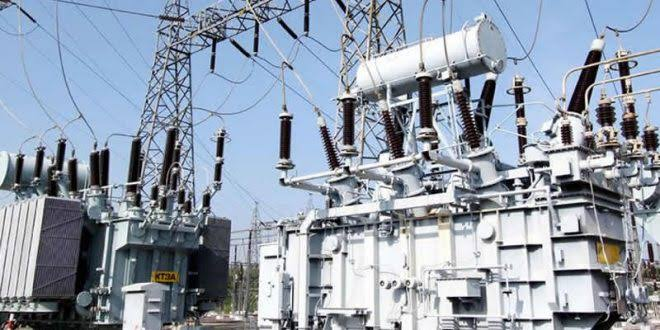
The DisCos must also invest more seriously in infrastructure. Feeders, transformers, meters, customer platforms and distribution lines must be upgraded. Without this, rising DisCos revenue will not translate into better electricity.
Nigeria’s power crisis has lasted too long. The latest ₦801bn collection shows that consumers are paying heavily into the system. What they now deserve is reliable electricity, honest billing and measurable improvement.
Until that happens, the anger will remain justified. For Nigerians, the issue is no longer whether DisCos revenue is rising. The real issue is whether rising DisCos revenue will finally bring light to homes and businesses still trapped in darkness.
https://nerc.gov.ng/factsheets