

















Dollar Sale Row
Dollar Sale Row: Marketers Suspend Dangote Fuel Loading Amid Pricing Uncertainty
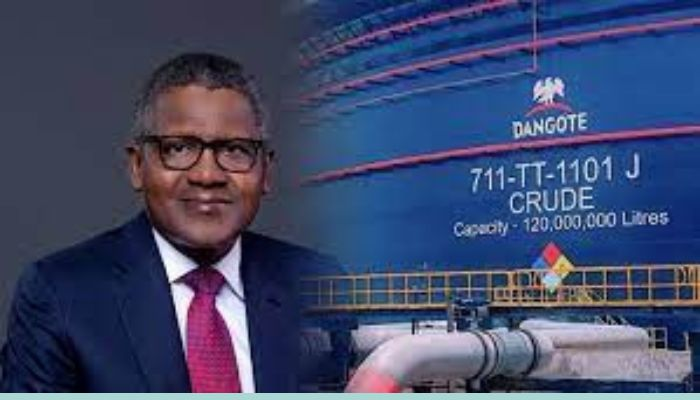
Fresh uncertainty has gripped Nigeria’s downstream petroleum sector following the Dollar Sale Row, with independent petroleum marketers suspending large-scale fuel loading from the Dangote Petroleum Refinery after the company adopted a dollar-denominated pricing template for petroleum products.
The development has triggered widespread concerns over possible disruptions in fuel distribution, rising pump prices and renewed pressure on the foreign exchange market, forcing the Federal Government to intensify negotiations aimed at restoring confidence in the sector.
The Dollar Sale Row emerged after Dangote Refinery began invoicing marketers in United States dollars, citing the increasing cost of sourcing crude oil internationally and the challenges surrounding Nigeria’s naira-for-crude arrangement. According to refinery officials, the company had been absorbing exchange-rate losses by purchasing crude in dollars while selling refined products in naira, a model it says has become financially unsustainable.
Marketers Adopt Wait-and-See Approach
Rather than continue lifting products under uncertain pricing conditions, many petroleum marketers have chosen to suspend fresh purchases from the refinery.
Officials of the Independent Petroleum Marketers Association of Nigeria (IPMAN) explained that marketers are reluctant to buy large volumes because they cannot accurately predict whether petrol prices will increase or decline after loading.
Industry operators fear that purchasing products at today’s prices could result in significant financial losses should depot prices fall in the coming days. Existing stocks already purchased at higher prices are also complicating business decisions for filling station owners across the country.
The Dollar Sale Row has therefore shifted attention from product availability to pricing uncertainty, with marketers choosing caution over aggressive buying.
Mixed Signals Over Fuel Loading
Conflicting reports have further complicated the situation.
Several marketers alleged that loading activities at the Lekki-based refinery had slowed considerably, with trucks reportedly waiting without receiving products.
However, Dangote Refinery has strongly rejected claims that fuel loading has stopped.
A company official described reports of a shutdown as false, insisting that loading operations remain active and that marketers are free to verify activities at the refinery.
The disagreement highlights the fragile confidence currently characterising Nigeria’s petroleum market.
Federal Government Steps In
Recognising the potential impact of the Dollar Sale Row, the Federal Government has commenced high-level discussions with Dangote Refinery to resolve the dispute.
Government officials are reportedly exploring options that could restore domestic fuel sales in naira while strengthening crude oil supply under the naira-for-crude framework.
Sources familiar with the negotiations disclosed that discussions are focused on ensuring adequate crude allocations to the refinery, thereby reducing its dependence on expensive imported crude purchased in dollars.
Although no final agreement has been announced, government officials believe ongoing dialogue could help stabilise fuel prices and calm market anxiety.
https://ogelenews.ng/dollar-sale-row-marketers-halt-dangote-fuel-loading…
Why Dangote Switched to Dollar Pricing
The refinery argues that the decision was driven primarily by commercial realities.
Despite being Africa’s largest refinery, Dangote says domestic crude allocations have remained below operational requirements, forcing it to import additional crude at international prices settled in dollars.
Maintaining naira sales while paying dollar-denominated costs exposed the company to substantial foreign exchange losses.
Industry analysts say the refinery’s decision reflects broader structural challenges within Nigeria’s oil supply chain rather than a deliberate attempt to increase fuel prices.
The Dollar Sale Row therefore underscores the importance of achieving a sustainable crude supply arrangement between government agencies and domestic refiners.
Possible Impact on Nigerians
Although marketers insist there is currently no nationwide fuel scarcity, they acknowledge that prolonged uncertainty could affect supply and pricing.
Several filling stations have reportedly delayed fresh purchases while monitoring market developments.
Private depots have already adjusted ex-depot prices upward in response to reduced lifting from Dangote Refinery, increasing operating costs for marketers.
Should the Dollar Sale Row continue without a resolution, consumers could face:
- Higher petrol pump prices.
- Increased transportation costs.
- Rising inflation driven by higher logistics expenses.
- Greater pressure on Nigeria’s foreign exchange market.
- Temporary disruptions in fuel distribution.
However, industry stakeholders have appealed to motorists not to engage in panic buying, maintaining that fuel remains available despite current uncertainties.
Industry Awaits Clear Policy Direction
Energy experts argue that the current dispute demonstrates the need for predictable petroleum pricing policies.
They note that frequent changes in pricing mechanisms discourage investment and create uncertainty throughout the downstream sector.
A stable crude supply arrangement, transparent pricing framework and coordinated government policy could significantly reduce volatility while protecting both refiners and marketers.
For now, the Dollar Sale Row remains one of the most significant developments shaping Nigeria’s petroleum industry, with its outcome likely to influence fuel prices, investor confidence and the broader economy in the weeks ahead.
Both marketers and consumers are watching closely as negotiations between the Federal Government and Dangote Refinery continue.
If a compromise restores naira-based transactions while guaranteeing adequate crude supplies, analysts believe confidence could quickly return to the market.
Until then, the Dollar Sale Row will continue to dominate discussions across Nigeria’s energy sector, serving as another reminder of the delicate balance between exchange-rate realities, domestic refining and national energy security.