


















Expert links rising hypertension among youths to unhealthy lifestyles
Medical experts have raised fresh concerns over the growing incidence of high blood pressure among young people, warning that unhealthy lifestyle choices are driving an alarming rise in hypertension cases that were once associated mainly with older adults.
The warning comes amid increasing evidence that poor dietary habits, physical inactivity, chronic stress, inadequate sleep, obesity, smoking, excessive alcohol consumption and prolonged screen time are contributing significantly to cardiovascular diseases among youths. The expert links rising hypertension among youths to unhealthy lifestyles message has become increasingly important as doctors report seeing more patients in their 20s and 30s with elevated blood pressure.
Health professionals say the trend represents a growing public health challenge that requires immediate attention from governments, healthcare providers, educational institutions and families.
Lifestyle Choices Fuel Rising Hypertension
According to cardiologists and public health specialists, hypertension is no longer a disease affecting only elderly people. Increasingly, younger adults are being diagnosed with the condition due to lifestyle-related risk factors.
The expert links rising hypertension among youths to unhealthy lifestyles warning highlights several contributing factors, including diets high in salt, sugar and unhealthy fats, combined with low levels of physical activity and mounting mental stress.
Doctors note that the popularity of fast food, sugary beverages and processed meals has significantly altered eating patterns among young Nigerians and many people worldwide. These habits, coupled with sedentary lifestyles and long working or study hours, have increased the risk of developing high blood pressure at a younger age.
Hypertension Often Shows No Early Symptoms
Medical practitioners describe hypertension as a “silent killer” because many people experience no noticeable symptoms until serious complications occur.
Experts warn that untreated high blood pressure can damage vital organs over time, increasing the likelihood of stroke, heart attack, kidney disease, heart failure and vision problems.
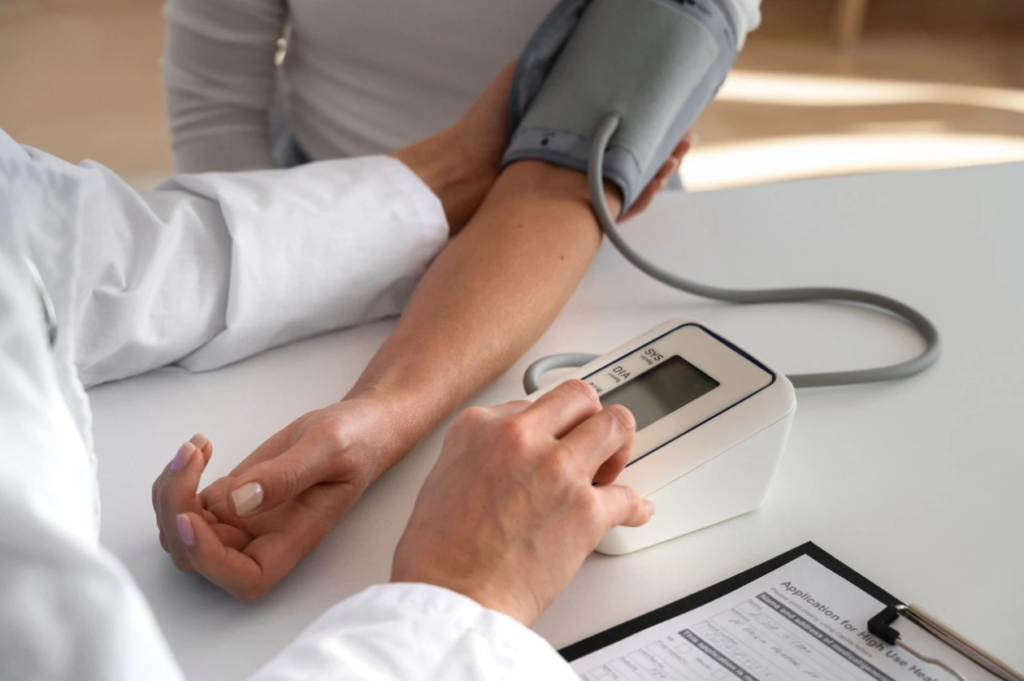
The expert links rising hypertension among youths to unhealthy lifestyles campaign also emphasizes that regular blood pressure checks remain one of the simplest ways to detect the condition before complications arise.
Routine screening is particularly important because many young adults assume they are healthy and rarely undergo medical examinations.
Stress and Modern Living Under Scrutiny
Healthcare professionals also point to the pressures of modern life as significant contributors to rising hypertension.
Economic uncertainty, academic demands, unemployment, workplace pressure and financial challenges have increased stress levels among many young people. Long periods spent sitting at desks or using digital devices further reduce opportunities for physical activity.
Research has also linked excessive screen time with several cardiovascular risk factors, including higher blood pressure and unhealthy body weight.
Experts advise limiting recreational screen time, maintaining regular sleep schedules and incorporating physical exercise into daily routines.
Healthy Eating Can Reduce Risk
Nutrition experts stress that healthier food choices can play a significant role in preventing hypertension.
They recommend increasing the intake of fruits, vegetables, whole grains, legumes and lean proteins while reducing consumption of processed foods, excessive salt, sugary drinks and saturated fats.
The expert links rising hypertension among youths to unhealthy lifestyles message encourages individuals to prepare more home-cooked meals and carefully monitor sodium intake.
Medical studies have consistently shown that balanced diets and weight management can significantly lower blood pressure and improve overall cardiovascular health.
Physical Activity Remains Essential
Doctors recommend that adults engage in at least 150 minutes of moderate physical activity each week.
Activities such as brisk walking, jogging, cycling, swimming or recreational sports help improve heart function, regulate body weight and reduce blood pressure.
The expert links rising hypertension among youths to unhealthy lifestyles warning emphasizes that even small increases in daily movement can have long-term health benefits.
Experts also encourage workplaces and schools to promote wellness programmes that encourage regular exercise and healthier living.
https://ogelenews.ng/expert-links-rising-hypertension-among-youths-to-un…
Early Detection Saves Lives
Cardiologists believe early diagnosis remains one of the strongest weapons against hypertension.
Regular blood pressure monitoring allows doctors to identify individuals at risk before irreversible damage occurs.
Experts say young people with a family history of hypertension, obesity or diabetes should be particularly vigilant about routine medical check-ups.
Lifestyle modifications, including quitting smoking, reducing alcohol intake, maintaining healthy body weight and managing stress, remain the first line of defence against hypertension. Medication may be prescribed where necessary under medical supervision.Expert links rising hypertension among youths to unhealthy lifestyles
Public Awareness Must Increase
Health advocates argue that public education campaigns should target schools, universities, workplaces and communities to improve awareness of hypertension among younger populations.
The expert links rising hypertension among youths to unhealthy lifestyles message should encourage behavioural change rather than create fear.
Governments and health institutions are also urged to improve access to affordable blood pressure screening, nutrition education and preventive healthcare services.
Medical professionals believe prevention remains more effective and less costly than treating complications associated with long-term hypertension.
Conclusion
The growing number of hypertension cases among younger people serves as a reminder that cardiovascular health depends largely on everyday lifestyle choices.
As the expert links rising hypertension among youths to unhealthy lifestyles warning continues to gain attention, experts agree that healthier diets, regular physical activity, stress management, quality sleep and routine blood pressure checks can significantly reduce the burden of the disease.
With hypertension increasingly affecting people in their twenties and thirties, early intervention, public awareness and healthier living have become more important than ever. By making informed choices today, young people can reduce their risk of serious cardiovascular complications in the future.