















I would configure the post this way:
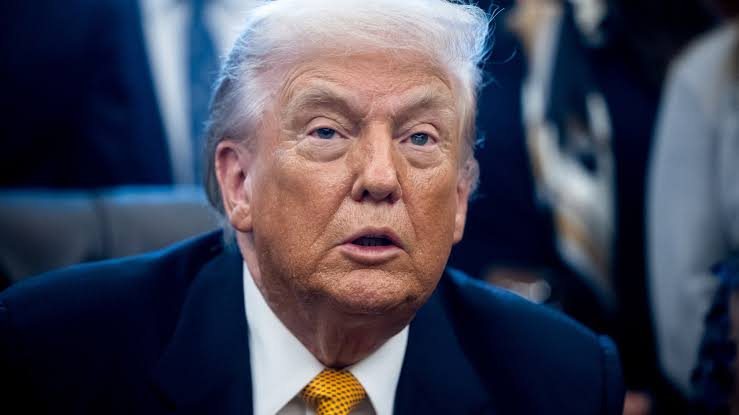
Global oil prices fell on Monday as investors weighed United States President Donald Trump’s threat of an unprecedented economic campaign against Iran, with markets awaiting details of new sanctions that could reshape crude supplies and deepen tensions across the Middle East.
Oil prices fall at a particularly sensitive moment for global energy markets, following a period of sharp gains driven by concerns over Iranian supplies, disruptions around the Strait of Hormuz and the possibility that the confrontation between Washington and Tehran could escalate further.
Brent crude, the international benchmark, dropped towards $92 per barrel during Monday trading, while United States West Texas Intermediate crude also declined. The retreat followed strong gains in the previous week, when geopolitical fears pushed crude prices higher.
The latest movement shows how rapidly traders are reassessing the balance between geopolitical risk and actual oil supply.
President Trump has promised a sweeping financial offensive designed to increase pressure on Tehran and countries maintaining significant economic relations with Iran.I would configure the post this way
United States Treasury Secretary Scott Bessent is expected to provide further details of the measures, which Washington has described as among the toughest economic restrictions ever contemplated against the Iranian government.I would configure the post this way
Oil prices fall despite tougher US rhetoric
The fact that oil prices fall while Washington is threatening tougher measures against Iran may initially appear contradictory.
Sanctions against a major oil-producing country can restrict supplies and normally place upward pressure on crude prices. But traders are also considering how much of the proposed American action has already been reflected in recent market gains.
Investors are therefore waiting to determine the exact scope of Washington’s measures, particularly whether the United States will aggressively target countries and companies purchasing Iranian oil.I would configure the post this way
China will be central to that calculation because it remains an important destination for Iranian crude.
The United States has called on other countries to support its attempt to further isolate Tehran economically, although implementing secondary sanctions against major trading partners could create additional diplomatic and commercial tensions.
For traders, therefore, the important question is no longer simply whether sanctions will be announced. The question is how aggressively they will be enforced and how Iran will respond.I would configure the post this way
Strait of Hormuz remains major concern
Even as oil prices fall, the Strait of Hormuz remains at the centre of international concern.
The narrow waterway between Iran and Oman is one of the world’s most important energy corridors. Any prolonged disruption to tanker movements through the strait could have consequences far beyond the Middle East.
Oil-producing countries including Saudi Arabia, the United Arab Emirates, Kuwait, Iraq and Iran depend heavily on Gulf shipping routes to move crude and petroleum products to international markets.I would configure the post this way
That makes developments around Hormuz crucial to the direction of crude prices.I would configure the post this way
Iran has repeatedly demonstrated that its geographical position gives it considerable leverage over the waterway. Tehran has also warned that escalating economic pressure could produce consequences for regional energy exports.
Such warnings mean the current decline in crude prices should not necessarily be interpreted as evidence that geopolitical risks have disappeared.
Instead, the market appears to be entering another period of uncertainty.
Iran rejects Washington’s pressure campaign
Tehran has rejected Washington’s latest threats and insists that additional sanctions will not force the Iranian government to surrender to American demands.
Iranian Foreign Minister Abbas Araqchi has criticised the proposed measures while Iranian officials continue to argue that negotiations, rather than economic coercion, offer the best route out of the confrontation.
Iran’s economy is already under severe pressure.
Years of international restrictions, combined with the economic consequences of the continuing confrontation, have weakened the country’s currency and increased pressure on households.I would configure the post this way
The Iranian rial has fallen to record lows against the United States dollar on informal markets, adding another dimension to the economic struggle between Tehran and Washington.
Yet the Iranian government has shown little indication that economic hardship alone will produce the political concessions demanded by the Trump administration.
That uncertainty helps explain why oil prices fall one day and rise sharply the next as traders respond to changing political signals
https://ogelenews.ng/oil-prices-fall-as-trump-intensifies-economic-press…
Markets watch Washington closely
Global financial markets are now waiting for greater clarity from the United States Treasury.
Details surrounding possible secondary sanctions will be particularly important.
If Washington attempts to penalise companies, banks or governments continuing substantial trade with Iran, the economic consequences could extend beyond Tehran.I would configure the post this way
China’s response will be closely watched.
Beijing has traditionally opposed unilateral sanctions and has urged diplomatic engagement in dealing with Iran. Any attempt by Washington to force China to significantly reduce purchases of Iranian crude could therefore create another source of tension between the world’s two largest economies.
The possibility of wider sanctions explains why investors remain cautious even as oil prices fall.
Markets must assess two competing possibilities.I would configure the post this way
The first is that economic pressure succeeds in weakening Iran’s ability to sell crude internationally, tightening global supplies.
The second is that the sanctions campaign eventually produces negotiations or another diplomatic arrangement that reduces geopolitical risk.
The direction of crude prices will depend heavily on which scenario begins to emerge.
What falling oil prices could mean for Nigeria
For Nigeria, developments in the international petroleum market remain particularly important.
As an oil-producing economy, Nigeria can benefit from sustained increases in crude prices through improved export earnings and potentially stronger government revenues, provided production volumes and fiscal conditions allow the country to capture those gains.
However, high international petroleum prices are not an unqualified benefit.I would configure the post this way
Nigeria remains exposed to the international pricing of refined petroleum products. Higher crude prices can therefore increase the cost of imported fuels and other energy-related products, with possible consequences for transportation, manufacturing and consumer prices.
This means that when oil prices fall, the consequences for Nigeria can move in opposite directions.
Lower prices could reduce potential petroleum export earnings, but they may also ease some pressure on international fuel prices and inflation.
Nigeria’s fiscal authorities and energy industry will consequently be watching the confrontation between Washington and Tehran closely.
The Federal Government’s revenue assumptions, foreign exchange inflows and the profitability of upstream petroleum operations can all be influenced by significant movements in international crude prices.I would configure the post this way
Global investors remain cautious
Oil is not the only market facing uncertainty.
Asian stock markets were mostly weaker in early Monday trading as investors considered geopolitical tensions, technology-sector valuations and developments in global bond markets.
Attention is also turning towards major corporate earnings and monetary policy developments in the United States.
Those factors could influence the dollar, interest-rate expectations and ultimately demand for commodities.
Crude traders, however, remain particularly focused on Iran.I would configure the post this way
Recent price movements demonstrate how quickly sentiment can change. Markets rallied when investors feared deeper disruption to Middle Eastern supplies. Now oil prices fall as some traders take profits and wait for concrete details of the next American measures.
That does not mean the underlying crisis has been resolved.
Trump raises stakes against Tehran
Trump’s latest strategy appears designed to increase the financial cost of Iran’s continued resistance without relying exclusively on military pressure.
Washington hopes that restrictions on Iranian trade and pressure on Tehran’s international partners will reduce the government’s financial resources.
But the strategy carries risks.I would configure the post this way
Aggressive secondary sanctions could strain America’s relationships with countries that continue doing business with Iran. They could also provoke Tehran into taking actions affecting Gulf shipping and energy infrastructure.
Either development could send crude prices sharply higher again.
For this reason, Monday’s decline should be viewed within the broader volatility surrounding the conflict rather than as the beginning of a predictable downward trend.I would configure the post this way
While oil prices fall in the immediate market reaction, the fundamentals driving geopolitical risk remain unresolved.
Oil market faces another decisive period
The coming days could therefore prove important for international energy markets.
Investors will examine the details of Washington’s sanctions, Iran’s response and the reaction of major Iranian trading partners.
They will also monitor tanker traffic around the Strait of Hormuz for signs of further disruption.
A serious interruption to Gulf exports could quickly reverse Monday’s decline and revive fears of another surge in energy prices.
Conversely, signs of diplomatic progress or limited enforcement of the threatened sanctions could reduce the geopolitical premium currently built into crude prices.
For now, oil prices fall as traders wait for Washington to reveal exactly what Trump’s promised economic offensive against Iran will involve.
But with Iran maintaining its defiant position, the Strait of Hormuz under intense scrutiny and major oil-importing countries facing pressure from Washington, volatility is likely to remain a defining feature of the global petroleum market.I would configure the post this way
For Nigeria and other oil-dependent economies, the message is equally clear: what happens between Washington and Tehran will not remain confined to the Middle East. Its consequences will continue to be felt through crude prices, government revenues, fuel costs, inflation and the wider global economy.