

















Kebbi Nursing College
KEBBI STATE, NIGERIA | October 14, 2026
The newly established Kaura Gwandu College of Nursing and Midwifery Science in Kebbi State has admitted 172 students, marking an important step in the state government’s efforts to expand access to professional healthcare education.
The Kebbi Nursing College is also preparing to produce its first batch of National Diploma and Higher National Diploma graduates in 2028, a development that could strengthen the availability of trained healthcare personnel in the state.
The Provost of the institution, Dr Muhammad Musa, disclosed the development on Wednesday during an interactive meeting with media aides to Governor Nasir Idris.
According to Musa, the establishment of the college has created additional opportunities for young Nigerians interested in nursing and midwifery while helping to ease admission pressure on existing health training institutions.
The provost explained that the institution had commenced academic activities and was making progress towards producing its first graduates.
Kebbi Nursing College Records 172 Student Admissions
Providing an update on the institution’s academic activities, Musa confirmed that 172 students had been admitted into the college.
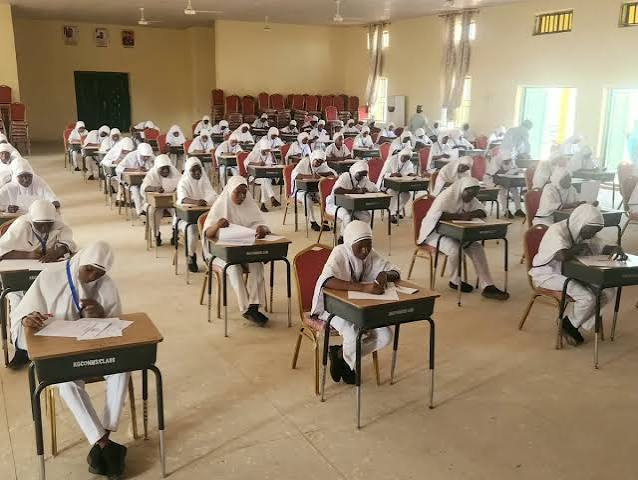
He explained that the pioneer students were already participating in examinations, with 80 candidates currently sitting for National Diploma examinations.
The development represents an important academic milestone for the institution as it progresses towards its projected graduation date.
Musa disclosed that the first batch of ND/HND graduates was expected in 2028, subject to the successful completion of the relevant academic requirements.
He further revealed that preparations for admitting another group of students had been concluded.
The planned second admission exercise could increase the institution’s student population and further expand opportunities for nursing education.
For Kebbi State, the development represents an effort to build a stronger pipeline of professionally trained healthcare personnel who may eventually contribute to service delivery in hospitals, clinics and other medical facilities.
College Attracts Students From Other Nigerian States
Beyond providing opportunities for residents of Kebbi State, the Kebbi Nursing College has reportedly attracted students from several parts of the country.
According to Musa, students have enrolled from Imo, Enugu, Niger, Ogun and Kaduna states, among others.
The geographical diversity of the student population suggests that the college is beginning to attract interest beyond its immediate location.
The provost expressed optimism that the institution could develop into a recognised centre for nursing and midwifery education.
However, sustaining this growth will require consistent investment in teaching facilities, qualified personnel, academic administration and student welfare.
The institution will also need to maintain compliance with the relevant professional and educational standards governing nursing training in Nigeria.
Kebbi Government Provides Hostels, Laboratories and Staff Accommodation
Musa credited the Kebbi State Government under Governor Nasir Idris with providing infrastructure intended to support teaching and learning at the college.
He identified laboratories, library resources and information and communication technology facilities among the provisions supporting academic activities.
The institution also has qualified teaching personnel, according to the provost.
Additional infrastructure includes accommodation for staff, separate hostel facilities for male and female students, and security arrangements within the college environment.
These facilities are particularly important for nursing and midwifery education, where academic instruction must be supported by practical training and an appropriate learning environment.
Well-equipped laboratories allow students to develop clinical skills before undertaking supervised practical experiences.
Similarly, access to library resources and digital learning facilities can support research, examinations and professional development.
For the Kebbi Nursing College, continued maintenance and improvement of these facilities will be important as student enrolment increases.
New Institution Eases Pressure on Existing Nursing Schools
One of the major objectives behind the establishment of the college is to expand training capacity in Kebbi State.
Musa said the institution had helped reduce pressure on the State College of Nursing Sciences in Birnin Kebbi, which has long provided professional nursing and midwifery education.
Increased admission capacity is significant because nursing programmes generally require adequate classrooms, practical training equipment, qualified instructors and approved clinical learning opportunities.
When existing institutions are unable to accommodate all qualified applicants, additional training centres can provide alternative educational pathways.
The emergence of another college therefore offers the possibility of increasing access to nursing education without relying exclusively on the older institution.
However, expanding enrolment alone will not guarantee improved healthcare delivery.
The long-term impact will depend on the quality of training, professional accreditation, graduation rates and the eventual availability of qualified personnel to serve communities.
https://ogelenews.ng/kebbi-nursing-college-admits-172-students-targets-f…
Kebbi Nursing College Seeks Additional Government Support
Despite the progress recorded, the provost identified areas requiring further government intervention.
Musa appealed to the Kebbi State Government to consider additional support for rural posting allowances, teaching allowances and security arrangements.
He specifically called for the deployment of more security personnel to strengthen safety within the institution and surrounding communities.
His request highlights the operational responsibilities involved in managing a growing healthcare training institution.
Teaching allowances can contribute to staff motivation and retention, particularly where institutions compete for experienced health professionals.
Rural posting allowances may also help address the additional challenges associated with training or professional assignments outside major urban centres.
Security remains another important consideration because a safe learning environment is necessary for students, academic staff and other workers.
The Kebbi Nursing College will require continued support if it is to sustain its academic calendar, expand student admissions and achieve its projected graduation target.
Provost Promises Academic Discipline and High Standards
Musa also emphasised the institution’s commitment to academic discipline and professional conduct.
He said management would enforce rules relating to student dress codes and examination integrity.
The college, according to the provost, intends to maintain standards capable of producing competent nursing and midwifery professionals.
Such commitments are especially important in healthcare education because nursing personnel are trained to undertake responsibilities directly affecting patients’ safety and well-being.
Professional preparation requires more than classroom instruction. Students must also acquire clinical competence, ethical awareness, communication skills and an understanding of patient care.
Examination integrity is equally important because academic qualifications must accurately reflect students’ knowledge and practical abilities.
The institution’s ability to maintain these standards will be tested as it admits additional students and expands its operations.
Why Nursing Education Matters for Healthcare in Kebbi
The expansion of nursing education has potential implications for healthcare delivery across Kebbi State.
Nurses and midwives are essential to primary healthcare, maternal and child health services, emergency treatment, disease prevention and hospital operations.
In rural communities, trained nursing personnel often perform important roles in patient assessment, health education, immunisation programmes and referrals.
Increasing the number of appropriately qualified professionals can help strengthen these services, provided graduates are recruited and deployed where their skills are needed.
The Kebbi Nursing College could therefore contribute to the state’s long-term healthcare workforce development.
However, there is an important distinction between producing nursing graduates and ensuring that those graduates take up positions in underserved communities.
Employment opportunities, remuneration, workplace conditions and continuing professional development will influence whether trained personnel remain available to the state’s healthcare system.
The college’s eventual contribution should therefore be assessed not only through admission and graduation figures but also through the professional outcomes of its students.
First Graduation in 2028 Remains Major Academic Target
The projected graduation of the first batch in 2028 remains one of the institution’s most important milestones.
For the pioneer students, completing their programmes would represent the conclusion of a significant period of professional preparation.
For the college, successful graduation would provide an opportunity to assess its teaching capacity, academic management and readiness for future expansion.
Musa expressed confidence in the institution’s ability to meet its objectives while acknowledging the government’s role in establishing the college.
He also encouraged residents to support initiatives designed to improve education and healthcare development across the state.
As the institution prepares for further admissions, attention will increasingly turn to the quality of its training, the welfare of students and the resources needed to sustain growth.
The Kebbi Nursing College has begun with 172 admitted students and a clear target for its first graduation in 2028.
Whether that early progress translates into lasting improvements in healthcare delivery will depend on sustained investment, effective regulation and opportunities for graduates to apply their professional skills.
Ogele News will continue to follow developments in nursing education and healthcare workforce expansion across Kebbi State.