













military salary increase 2026
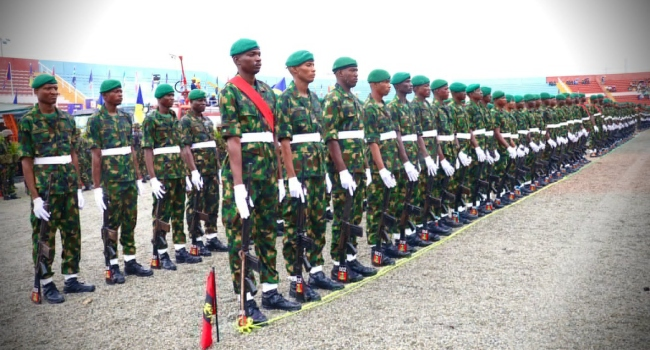
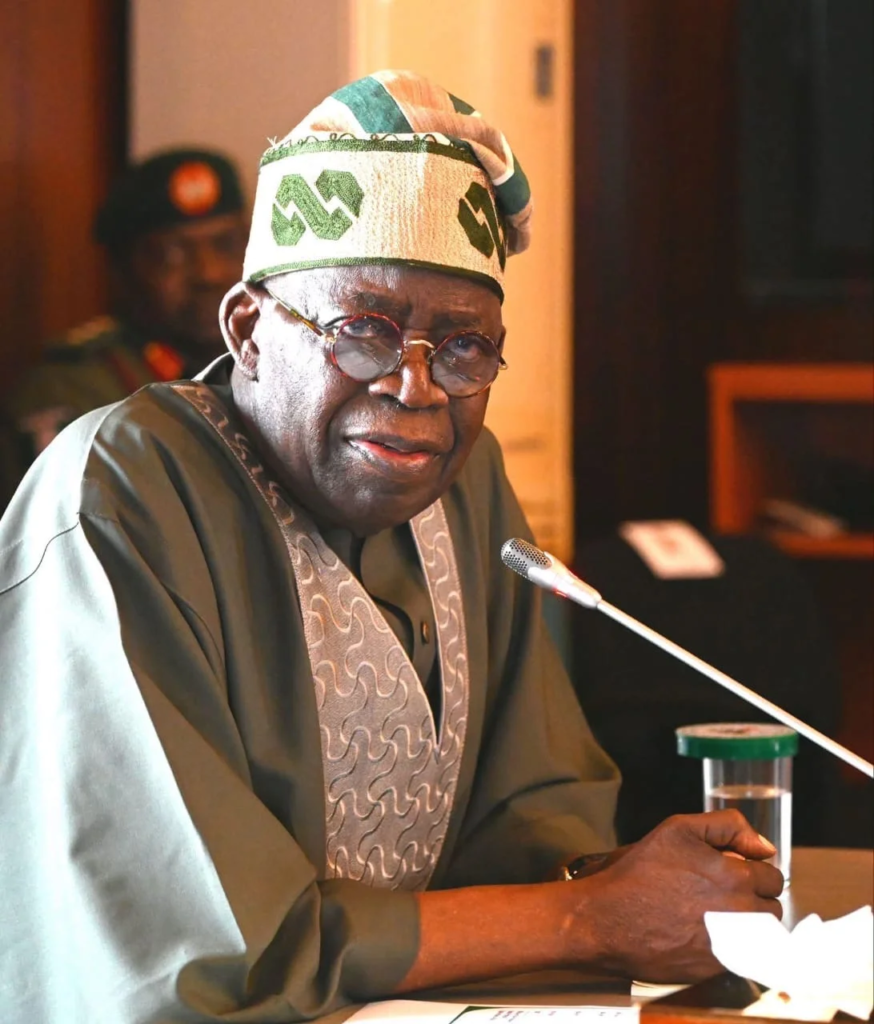
President Bola Ahmed Tinubu has approved a sweeping salary increase of between 30 and 80 per cent for approximately 250,000 personnel of the Nigerian Armed Forces, raising the military’s annual wage bill from ₦660 billion to ₦924 billion in what is the largest salary review for serving troops under his administration.
The new salary structure, which takes effect from September 1, 2026, grants the highest percentage increase to junior personnel, reflecting the Federal Government’s stated commitment to improving troop welfare amid ongoing operations against terrorism, banditry, kidnapping and other security threats.
According to a statement issued by the Presidency through the Special Adviser on Information and Strategy, Bayo Onanuga, the salary review is intended to recognise the sacrifices made daily by members of the Armed Forces while strengthening morale and operational effectiveness.
The approval means the military salary increase 2026 has become one of the most significant welfare interventions for Nigerian troops in recent years.
New Salary Structure Gives Junior Troops Highest Increase
Under the approved structure, personnel from the rank of Private to Staff Sergeant will receive an 80 per cent salary increase.
Officers from Warrant Officer to Colonel will benefit from a 50 per cent increase, while Brigadier-General to General will receive a 30 per cent upward review.
The graduated structure reflects the government’s decision to prioritise lower-ranking personnel who constitute the majority of troops deployed in frontline operations.
The military salary increase 2026 therefore places greater financial emphasis on junior soldiers, many of whom operate in difficult security environments across the country.
Wage Bill Rises to ₦924 Billion
The new salary package will increase the Armed Forces’ annual personnel cost by ₦264 billion, taking the total yearly wage bill from ₦660 billion to ₦924 billion.
Government officials said the increased expenditure reflects the administration’s commitment to strengthening the welfare of military personnel while maintaining national security.
President Tinubu noted that no nation could achieve sustainable development without a secure environment and pledged continued investment in troop welfare and military modernisation.
The implementation of the military salary increase 2026 represents a major increase in recurrent expenditure dedicated to defence personnel.
Tinubu Links Pay Rise to National Security
In the presidential statement, Tinubu described members of the Armed Forces as men and women who continue to make enormous sacrifices in protecting Nigeria from insecurity.
He stated that improving their welfare remains a priority because military personnel confront terrorism, kidnapping, banditry and other threats under extremely demanding conditions.
The President also reaffirmed his administration’s commitment to equipping the Armed Forces with modern weapons, improved technology and stronger operational support.
According to him, the military salary increase 2026 should be seen as part of a broader effort to strengthen Nigeria’s security architecture rather than an isolated financial decision.
Defence Minister Welcomes Decision
The Minister of Defence, Muhammed Badaru, and senior military officials welcomed the approval, describing it as a significant boost to troop morale.
Military authorities said better welfare would improve motivation while recognising the difficult responsibilities undertaken by personnel serving across different theatres of operation.
Officials also expressed confidence that the enhanced remuneration would encourage greater commitment, professionalism and operational efficiency.
The announcement of the military salary increase 2026 has therefore received strong support from senior defence authorities.
Retired Officers Seek Broader Reforms
Several retired military officers described the salary review as an important step but argued that improved remuneration alone would not address all operational challenges.
They urged the Federal Government to complement the salary increase with additional investments in:
- Modern weapons and ammunition.
- Military housing.
- Healthcare services.
- Logistics and transportation.
- Intelligence gathering.
- Training and professional development.
According to the retired officers, the military salary increase 2026 should form part of a comprehensive welfare and operational reform programme.
https://ogelenews.ng/military-salaries-hit-₦924bn-as-tinubu-approves-up-…
Serving Personnel React Cautiously
Many serving military personnel welcomed the announcement but indicated that they would reserve final judgment until the new salaries begin reflecting in their monthly earnings.
Some soldiers noted that previous welfare announcements had taken time before full implementation.
Others expressed optimism that the September implementation date would be honoured.
The reaction illustrates that while the military salary increase 2026 has generated excitement, effective implementation remains the key expectation among beneficiaries.
Security Challenges Continue
Nigeria continues to confront multiple security threats, including insurgency in the North-East, banditry in the North-West, kidnapping across several regions and violent attacks in parts of the South-East.
Military personnel remain heavily deployed across numerous operational theatres.
Analysts believe improved welfare may strengthen morale, but lasting security gains will also depend on intelligence, equipment, inter-agency cooperation and effective operational planning.
Consequently, the military salary increase 2026 represents only one component of broader security sector reforms.
Economic Implications
The additional ₦264 billion annual personnel cost will increase government expenditure on defence.
However, supporters argue that investment in military welfare represents an investment in national stability.
A motivated and adequately supported military is generally considered essential for protecting lives, infrastructure and economic activities.
Economists note that the long-term benefits of the military salary increase 2026 will ultimately depend on whether improved welfare translates into stronger operational effectiveness and measurable security improvements.
Ogele News Perspective
President Tinubu’s approval of a substantial salary increase for military personnel represents one of the most significant welfare decisions affecting the Nigerian Armed Forces in recent years.
The emphasis on junior personnel recognises the realities of frontline service, where lower-ranking soldiers often bear the greatest operational burden.
The review is likely to improve morale and strengthen confidence among many serving personnel.
However, salary improvements alone cannot resolve Nigeria’s complex security challenges.
Troops also require modern equipment, reliable intelligence, adequate logistics, quality healthcare, decent accommodation and sustained professional training.
Government must therefore ensure that the salary review forms part of a broader programme of military modernisation.
Equally important is prompt implementation.
The credibility of the military salary increase 2026 will ultimately depend not on the announcement itself but on whether the new salaries are paid as scheduled beginning in September.
If effectively implemented alongside wider reforms, the package could improve troop welfare, enhance operational readiness and strengthen the Armed Forces’ capacity to respond to Nigeria’s evolving security challenges.