













power devolution in Nigeria
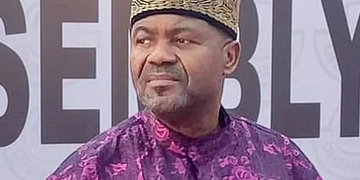
Former Ondo State Governor, Dr. Olusegun Mimiko, has called for a comprehensive devolution of powers from the Federal Government to the states, arguing that Nigeria’s highly centralised system of governance has become a major obstacle to national development, security and economic growth.
Mimiko made the call while speaking at a public policy forum, where he maintained that many of Nigeria’s persistent challenges could be addressed through constitutional reforms that grant states greater authority over critical areas of governance.
According to the former governor, Nigeria’s federal structure has become increasingly over-centralised, leaving sub-national governments with limited constitutional authority despite being closer to the people and more familiar with local development needs.
The renewed debate means power devolution in Nigeria has once again emerged as a major constitutional issue ahead of continuing conversations on governance reforms and national development. (Punch)
Mimiko Calls for True Federalism
Mimiko argued that Nigeria should move towards a more functional federal system in which states possess greater constitutional responsibilities and financial autonomy.
He maintained that excessive concentration of powers at the centre has slowed decision-making and weakened governance across several sectors.
According to him, states should exercise broader authority over issues directly affecting their citizens while the Federal Government focuses primarily on national responsibilities such as defence, foreign affairs, immigration and monetary policy.
The discussion surrounding power devolution in Nigeria has featured prominently in constitutional reform debates for many years, with supporters arguing that stronger states would improve governance and service delivery.
Why Mimiko Supports Devolution
The former governor explained that many governance challenges stem from structural weaknesses rather than the absence of capable leaders.
He argued that states often possess better knowledge of local security, infrastructure, agriculture and economic priorities but remain constrained by constitutional limitations.
According to Mimiko, devolving more responsibilities would encourage innovation, accountability and healthy competition among states.
The debate over power devolution in Nigeria therefore extends beyond politics to broader questions about efficiency, resource management and sustainable development.
Supporters believe decentralisation would allow states to respond more quickly to local challenges.
Security Among Key Issues
One of the principal arguments advanced by advocates of devolution concerns security.
Many analysts have argued that Nigeria’s security architecture would benefit from stronger cooperation between federal and state institutions.
Mimiko suggested that states should possess greater constitutional authority to contribute meaningfully to internal security while remaining within a nationally coordinated framework.
The conversation about power devolution in Nigeria frequently includes proposals relating to state policing, emergency response and community-based security initiatives.
Supporters argue that local knowledge often enhances crime prevention and intelligence gathering.
However, critics caution that safeguards would be necessary to prevent abuse of decentralised security institutions.
Economic Development and Fiscal Federalism
Mimiko also linked constitutional restructuring to economic development.
He argued that greater fiscal autonomy would encourage states to diversify their economies rather than relying predominantly on allocations from the Federation Account.
Supporters of fiscal federalism contend that stronger incentives for internally generated revenue could stimulate investment, agriculture, manufacturing and industrial development.
The broader debate over power devolution in Nigeria often includes proposals allowing states greater authority over infrastructure, natural resources and local economic planning.
Advocates believe this approach would improve efficiency while encouraging innovation across the federation.
https://ogelenews.ng/mimiko-advocates-power-devolution-as-solution-to-ni…
Constitutional Reform Remains Necessary
Implementing meaningful devolution would require constitutional amendments approved through Nigeria’s established legislative process.
The Constitution clearly allocates legislative responsibilities among the Exclusive, Concurrent and Residual Legislative Lists.
Significant transfers of authority from the Exclusive List to the states would therefore require broad political consensus involving the National Assembly and state Houses of Assembly.
Consequently, power devolution in Nigeria remains primarily a constitutional question rather than an executive policy decision.
Previous constitutional amendment efforts have considered similar proposals with varying degrees of success.
Longstanding National Debate
Calls for restructuring and devolution have been made by political leaders, traditional rulers, civil society organisations and constitutional scholars for decades.
Supporters generally argue that decentralisation would improve accountability and reduce bureaucratic delays.
Opponents, however, caution that weaker states could struggle with additional responsibilities unless adequate institutional capacity and financial resources are developed.
The continuing conversation on power devolution in Nigeria therefore reflects legitimate differences regarding the best structure for governing a diverse federal republic.
Despite differing opinions, there is broad agreement that constitutional reforms should strengthen national unity rather than weaken it.
Federalism Around the World
Many established federal democracies operate systems where sub-national governments exercise significant constitutional authority.
Countries such as Canada, Germany, Australia and the United States assign extensive responsibilities to provinces, states or regions while maintaining strong national governments.
Supporters of restructuring frequently reference these examples when advocating reforms in Nigeria.
However, constitutional experts also note that each federation reflects its own historical, political and social circumstances.
The discussion on power devolution in Nigeria must therefore consider Nigeria’s unique realities rather than simply replicating foreign models.
Challenges to Implementation
Even if constitutional amendments were approved, implementation would require careful planning.
States would need stronger institutions, improved financial management systems and enhanced administrative capacity.
Questions relating to revenue allocation, taxation, policing, judicial administration and public service reforms would also require careful resolution.
These practical considerations explain why power devolution in Nigeria remains a complex constitutional project rather than a single legislative amendment.
Successful reforms would require sustained cooperation among federal institutions, states and other stakeholders.
Ogele News Perspective
Dr. Olusegun Mimiko’s intervention contributes to one of Nigeria’s most enduring constitutional debates.
Whether described as restructuring, true federalism or devolution of powers, the central question remains how government responsibilities should be shared to improve governance while preserving national unity.
Supporters argue that decentralisation would strengthen accountability, encourage economic competition and improve local service delivery.
Critics remain concerned about uneven institutional capacity among states and the potential risks associated with transferring additional responsibilities.
Both perspectives deserve careful consideration.
The discussion on power devolution in Nigeria should continue to be guided by constitutional principles, empirical evidence and the long-term interests of the federation rather than partisan politics.
Ultimately, any major constitutional reform must emerge through broad national consensus, legislative approval and democratic engagement.
As Nigeria continues debating governance reforms, proposals such as those advanced by Mimiko are likely to remain central to conversations about the country’s political future and institutional development.