















Nigeria poorly governed
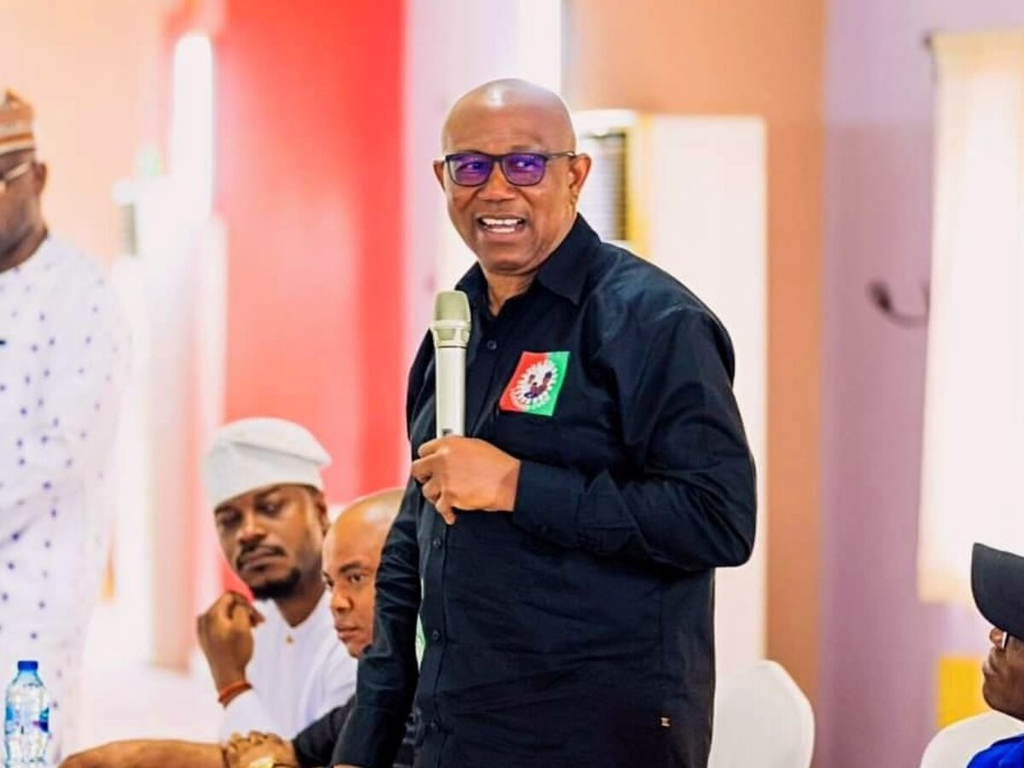
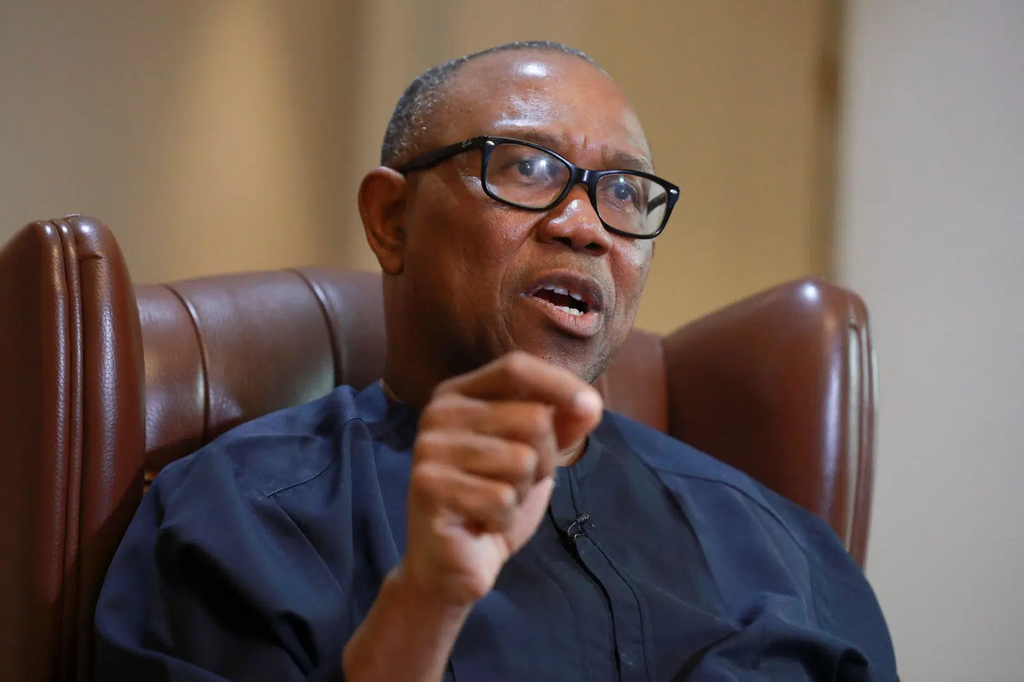
Former Anambra State Governor Peter Obi has delivered another sharp assessment of Nigeria’s political leadership, declaring that the country is not poor but Nigeria is poorly governed, with politicians largely responsible for the difficulties confronting millions of citizens.
Obi, who was the Labour Party presidential candidate in the 2023 general election, made the remarks during a thanksgiving service marking the 50th anniversary of Oyo State at the Cathedral of St Peter, Aremo, Ibadan.
Speaking before worshippers and political leaders, Obi asked Nigerians to remember politicians in their prayers, arguing that those entrusted with public authority must develop the conscience to use public resources for the benefit of the people.
His message was simple but politically loaded: Nigeria possesses enormous human and material resources, but those resources have repeatedly failed to translate into better living conditions for ordinary citizens because Nigeria is poorly governed.
Obi: Politicians Are Nigeria’s Problem
Obi did something Nigerian politicians rarely do publicly: he placed responsibility for the country’s failures directly on the political class to which he belongs.
He asked Nigerians to pray for politicians, saying they were responsible for the country’s problems.
The former Anambra governor went further, arguing that Nigeria should not be regarded as a poor country.
His contention was that Nigeria is poorly governed, and that the fundamental challenge is how political leaders manage public resources.
That distinction deserves attention.
Nigeria is Africa’s most populous country and possesses substantial oil and gas reserves, agricultural land, solid minerals and a large youthful population.
Yet millions of citizens continue to confront unemployment, inadequate infrastructure, insecurity, poor public services and serious cost-of-living pressures.
For Obi, the contradiction between the country’s resources and the conditions under which many Nigerians live points back to leadership.
Public Money Must Serve the Public
Perhaps the most important part of Obi’s intervention was his reference to public money.
The former governor asked Nigerians to pray that God would touch the hearts of politicians so that public resources would be used for public good.
That statement goes beyond religion.
It raises one of the oldest questions in Nigerian governance: Who ultimately benefits from public expenditure?
Every year, federal, state and local governments appropriate enormous sums for roads, hospitals, schools, security, agriculture, infrastructure and social programmes.
The argument that Nigeria is poorly governed becomes difficult to dismiss when citizens cannot consistently see the impact of public spending in their everyday lives.
A budget is not merely a document passed by lawmakers.
For the trader in Kano, it can mean whether electricity improves enough to reduce the cost of running a generator.
For the farmer, it can determine whether rural roads make it possible to transport produce to the market without losing half of it on the journey.
For parents, governance determines whether public schools provide education good enough to give their children a fighting chance.
For patients, it can mean whether a hospital has medicines, equipment and qualified personnel when an emergency occurs.
This is where Obi’s argument about using public money for public good becomes more consequential than the headline-grabbing call for prayers.
https://ogelenews.ng/nigeria-poorly-governed
If Nigeria Is Poorly Governed, Who Should Be Held Responsible?
There is an important question that follows Obi’s declaration.
If Nigeria is poorly governed, responsibility cannot simply disappear into the broad category called “politicians.”
Nigeria’s political class includes presidents, governors, ministers, lawmakers, local government chairmen and party leaders from different political parties.
Peter Obi himself belongs to that class.
He served as governor of Anambra State and contested for vice president in 2019 before becoming a presidential candidate in 2023.
That makes his admission politically interesting.
Rather than presenting Nigeria’s problems as something created exclusively by his opponents, Obi included politicians generally in his criticism.
But political accountability must ultimately go further than collective confession.
Nigerians have a right to examine the records of individual leaders and political parties and determine what they did when entrusted with power.
A politician asking for another opportunity to govern must be assessed not only by what he says about bad governance but by what he did with authority when he had it.
That standard should apply equally to Obi and his political opponents.
Nigeria’s Resources Versus Everyday Reality
The argument that Nigeria is poorly governed has remained persistent because of the gap between the country’s potential and the everyday experience of its citizens.
Nigeria has produced enormous wealth over decades.
It has also produced internationally recognised professionals, entrepreneurs, academics, entertainers and innovators.
Nigerians thrive in medicine, technology, finance, academia, engineering, sports and the creative industries across the world.
Yet at home, governments continue to struggle with some of the most basic responsibilities of the state.
Roads deteriorate.
Communities complain about electricity.
Families struggle with food prices.
Graduates search for employment.
Businesses battle high operating costs.
Security remains a major concern across several parts of the federation.
The tragedy is therefore not simply a lack of resources.
It is the inability to consistently transform available resources into measurable improvements in people’s lives.
That is the substance behind the claim that Nigeria is poorly governed.
Prayer Cannot Replace Accountability
Obi delivered his message inside a church, so the appeal for prayer was appropriate to the setting.
But Nigerians should also recognise the limits of prayer in solving institutional problems.
Prayer can express hope for leaders of conscience.
It cannot replace transparent procurement.
It cannot substitute for independent institutions.
It cannot replace credible elections, effective policing, competent public administration or proper oversight of government expenditure.
If Nigeria is poorly governed, the solution must therefore involve both moral leadership and functioning institutions.
Politicians should fear consequences when they misuse public resources.
Public officials should be required to account for expenditure.
Citizens should have access to information about government projects.
Legislatures should perform genuine oversight rather than merely approving executive requests.
Anti-corruption agencies should operate without political interference.
And elections should give citizens a genuine opportunity to remove leaders who fail them.
That is how democracy turns dissatisfaction into accountability.
Politicians Are Not the Only Part of the Equation
There is, however, another side to the argument.
Politicians do not emerge from another planet.
They are recruited from Nigerian society, nominated by political parties and elected by citizens.
Some voters continue to make electoral decisions based on ethnicity, religion, immediate financial inducements or political patronage rather than competence and performance.
Institutions can also be weakened when professionals who should defend standards decide to cooperate with political interests.
So while Obi’s statement that politicians are Nigeria’s problem will resonate with many frustrated citizens, sustainable reform requires more than changing the occupants of political offices.
It requires stronger institutions and a political culture that rewards competence and punishes failure.
2027 Gives Obi’s Words Political Weight
Obi’s remarks cannot be separated entirely from Nigeria’s developing political environment.
As the country moves towards another general election, questions of leadership, public expenditure, insecurity and economic hardship will increasingly dominate political debate.
His argument that Nigeria is poorly governed is also consistent with the political identity he has cultivated around fiscal discipline, reduced cost of governance and greater investment in productive sectors.
But campaign language must eventually confront measurable reality.
Nigerians should demand figures.
How will a presidential candidate reduce waste?
What programmes will be discontinued?
Where will savings go?
How will states and the Federal Government create jobs?
What measurable improvements should citizens expect in education, healthcare, electricity and security?
Those questions should be asked of every serious candidate, including Obi.
Nigerians Need More Than Political Confessions
There is something refreshing about a politician acknowledging that politicians themselves are part of Nigeria’s problem.
Too often, Nigerian political rhetoric distributes blame everywhere except within the political establishment.
But acknowledgement is only the beginning.
If Nigeria is poorly governed, then Nigerians need leaders prepared to explain exactly how they intend to govern differently.
They need budgets that can be defended.
They need projects that can be verified.
They need institutions that function regardless of who occupies Aso Rock or a government house.
They need public officials who understand that government money does not belong to the government.
It belongs to the public.
Peter Obi has asked Nigerians to pray for politicians.
Many Nigerians will undoubtedly do so.
But citizens must also scrutinise them, question them, demand records from them and hold them accountable at the ballot box.
Because if the diagnosis is that Nigeria is poorly governed, the cure cannot be prayer alone.
It must include responsible leadership, stronger institutions and citizens unwilling to accept anything less.