











politicians’ children
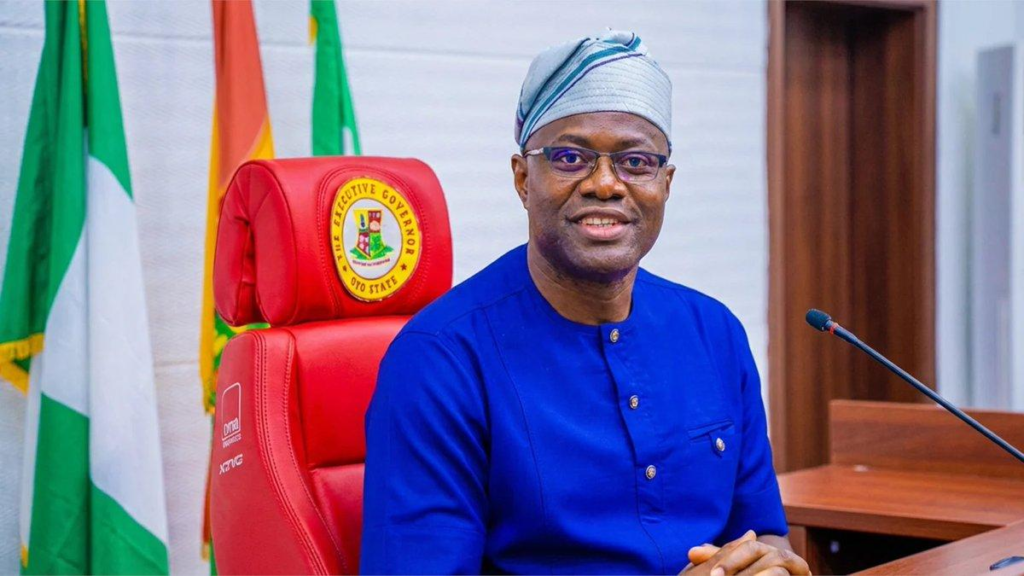
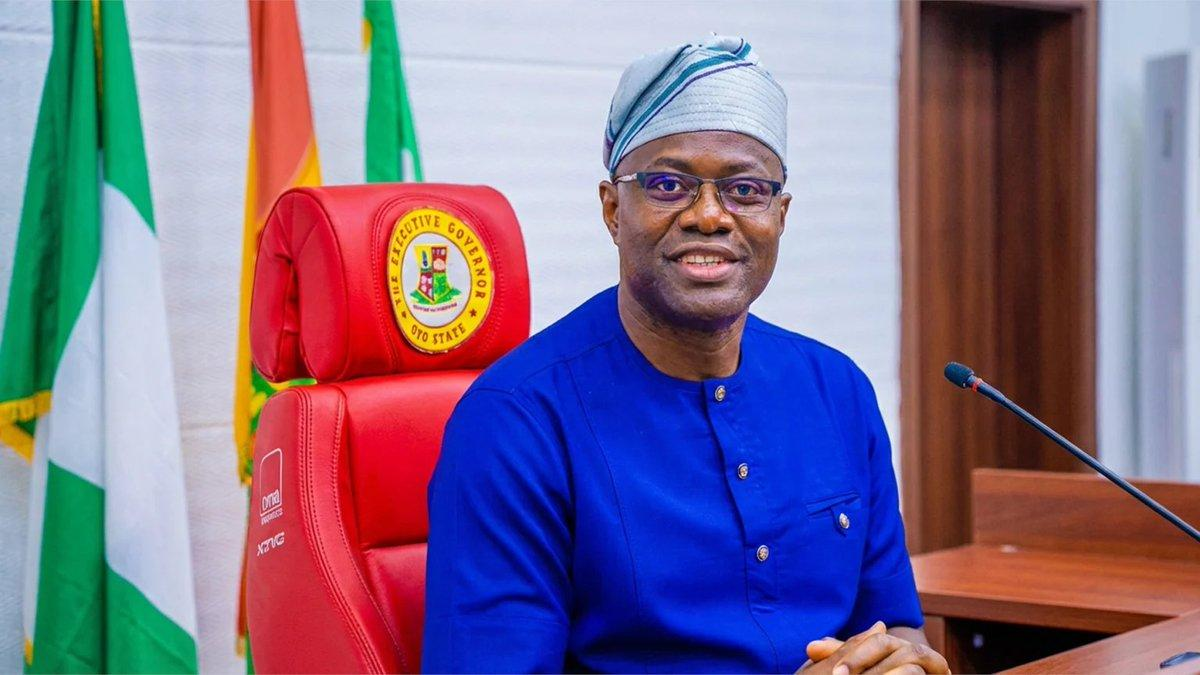
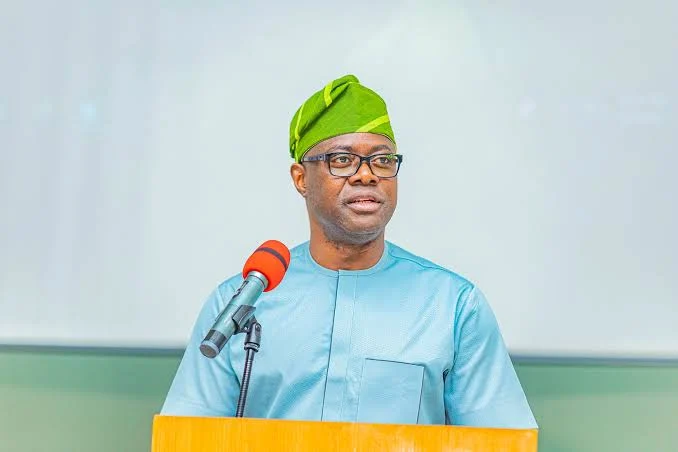
Oyo State Governor and 2027 presidential candidate, Seyi Makinde, has declared his opposition to politicians’ children working around government offices controlled by their parents, insisting that public office should not become an extension of family privilege.
Oyo State Governor, Seyi Makinde, has taken a firm position against the involvement of politicians’ children in the government offices of their parents, saying he believes young people from politically influential families should develop independent careers rather than rely on proximity to political power.
The governor made the remarks in an interview on The Rooftop, excerpts of which he shared on his X account on Monday, November 23, 2026.
Makinde, who is contesting the 2027 presidential election on the platform of the Allied Peoples Movement (APM), explained that he had deliberately encouraged his children to pursue their ambitions outside the government environment.
His comments have brought renewed attention to the relationship between political office, family influence and equal opportunities in Nigeria.
The Makinde politicians’ children statement comes at a time when the participation of relatives of prominent political figures in public life is receiving increased attention ahead of the 2027 general elections.
Makinde Explains Why His Children Stay Away From Government Offices
Speaking during the interview, the governor said his personal convictions were reflected in the lifestyle and career choices of his children.
He maintained that his children were following their own professional paths rather than working around the offices and institutions associated with his position as governor.
Asked whether he opposed children of political office holders working around government offices, Makinde responded unequivocally.
“No, I am totally, totally opposed to it,” he declared.
The governor explained that his responsibility as a father was to advise and support his children, not to create a political career for them through his office.
According to him, his children have been brought up to develop their abilities and establish their identities independently.
The Makinde politicians’ children statement reflects his publicly expressed preference for separating his responsibilities as governor from his children’s personal ambitions.
It also raises a wider question about the extent to which families of elected officials should participate in activities connected to government administration.
Governor Says His Children Must Build Independent Careers
Makinde said his children preferred to maintain private lives and make their own contributions to society without necessarily becoming involved in the activities of government.
He expressed confidence that their upbringing would enable them to establish careers and make meaningful contributions in their chosen fields.
The governor also challenged the perception that children of politically powerful individuals must automatically become visible participants in government affairs.
His remarks suggest that family background should not be regarded as a substitute for individual achievement.
The Makinde politicians’ children statement is particularly significant in a political environment where family connections can influence public perceptions of access to appointments and opportunities.
However, the governor did not provide a detailed policy proposal or announce any restriction on the employment of politicians’ relatives.
His comments were framed primarily around his personal beliefs and the choices he has encouraged his own children to make.
Makinde Will Support His Children If They Choose Politics
Despite opposing the involvement of his children in government offices during his administration, Makinde clarified that he would not prevent them from pursuing political careers if they independently developed an interest in public service.
He said he would not encourage his children to enter politics merely because of his position but would respect their decisions if they chose that path.
His position draws a distinction between a parent facilitating a child’s access to political influence and an adult child independently seeking an elective position.
The Makinde politicians’ children statement therefore should not be interpreted as a blanket condemnation of political participation by people whose parents have held public office.
Rather, it reflects a concern about the possible advantages that may arise when family relationships become closely associated with government operations.
Under Nigeria’s democratic system, citizens who meet the applicable constitutional and electoral requirements may seek public office, irrespective of whether their parents are politicians.
The more difficult governance question is whether access to political influence, employment and public resources is distributed fairly.
Political Dynasties Return to Focus Ahead of 2027 Elections
Makinde’s remarks come amid growing attention to the involvement of children and relatives of established political figures in the country’s electoral process.
A report published by The PUNCH in September 2026, drawing on information compiled from Independent National Electoral Commission records, identified several relatives of prominent political figures seeking election or re-election to the National Assembly.
Among those mentioned were Iyabo Obasanjo, daughter of former President Olusegun Obasanjo; Yusuf Buhari, son of the late former President Muhammadu Buhari; Bello El-Rufai, son of former Kaduna State Governor Nasir El-Rufai; and Erhiatake Ibori-Suenu, daughter of former Delta State Governor James Ibori.
Their participation illustrates how political families continue to feature in Nigeria’s democratic landscape.
However, being related to a former or serving public official does not establish that a candidate obtained political opportunities improperly.
Each politician must be assessed on individual qualifications, electoral legitimacy and conduct.
The Makinde politicians’ children statement nonetheless introduces an important debate about the boundary between legitimate family participation in politics and the misuse of public influence.
https://ogelenews.ng/makinde-rejects-politicians-children-working-in-gov…
Political Connections and Equal Opportunity in Nigeria
One concern frequently associated with political dynasties is the possibility that access to influential families may provide advantages unavailable to citizens without similar connections.
In government employment, such concerns become particularly serious when recruitment or appointments are perceived to favour personal relationships over professional competence.
Nigeria’s constitutional framework recognises principles of fairness and equal opportunity.
Section 14(3) of the 1999 Constitution, as amended, establishes the federal character principle, which seeks to prevent the concentration of public positions among a limited number of groups.
The Federal Character Commission also has responsibilities relating to equitable representation and monitoring compliance with applicable requirements in public institutions.
Although these provisions do not prohibit the children of politicians from holding government positions, they underscore the broader expectation that public appointments should be made according to lawful procedures.
The Makinde politicians’ children statement can therefore be considered within the wider discussion about transparency and fairness in public recruitment.
The central issue is not family identity alone but whether public institutions operate in a manner that protects the interests of all qualified citizens.
What Makinde’s Position Means for Public Accountability
Political leaders often face scrutiny over the roles played by family members, particularly when relatives appear to exercise influence without holding clearly defined public responsibilities.
Such situations can generate questions about decision-making, government access, conflicts of interest and accountability.
There is, however, a difference between a family member visiting a government office, holding a legitimate appointment and exercising unofficial authority.
Those circumstances should not automatically be treated as equivalent.
The Makinde politicians’ children statement is best understood as an expression of personal opposition to the close involvement of politicians’ children in their parents’ governmental operations.
Whether the governor’s views will develop into a formal campaign commitment or a wider proposal for public service reform remains to be seen.
For now, he has outlined his personal approach to parenting and political responsibility rather than announcing an enforceable administrative measure.
Makinde Names Nnamdi Azikiwe as Leader He Would Consult
In another part of the interview, Makinde was asked to identify a Nigerian leader, living or deceased, from whom he would seek advice.
The governor named Nigeria’s first President, Dr Nnamdi Azikiwe.
He explained that he would be interested in understanding the decisions Azikiwe made during important periods in Nigeria’s political development and the reasoning behind those choices.
His response offered another insight into the historical questions that interest him as he pursues his presidential ambition.
Azikiwe remains a central figure in Nigeria’s independence movement and early post-independence political history.
For Makinde, understanding the circumstances in which past leaders made consequential decisions could provide lessons for contemporary governance.
2027 Presidential Election Gives Remarks Wider Significance
The timing of Makinde’s comments adds a political dimension to the discussion.
As the Allied Peoples Movement presidential candidate, the Oyo State governor is presenting his leadership philosophy to Nigerians ahead of the 2027 election.
His campaign has increasingly addressed issues of governance, public accountability, economic opportunity and the responsibilities of political leadership.
The Makinde politicians’ children statement fits into that wider conversation, although it remains distinct from a specific policy commitment.
For voters, the more consequential question may be how political leaders translate personal convictions into transparent appointments, accountable institutions and fair access to government opportunities.
A leader’s position on family involvement can provide an indication of personal philosophy, but the practical test lies in institutional conduct and public accountability.
Public Office Must Serve the Wider Society
At the heart of the controversy is a principle that goes beyond any individual politician: government positions carry responsibilities to the public, not merely to the families of those who occupy them.
Children of politicians have the same right as other qualified citizens to pursue careers and seek elective office.
Equally, the public has a legitimate interest in ensuring that political relationships do not become an unfair route to government influence or employment.
Makinde’s remarks highlight that tension without resolving every question surrounding political dynasties in Nigeria.
The Makinde politicians’ children statement has placed his personal position on record. What remains important is whether political leaders across the country can demonstrate, through their actions, that public institutions operate independently of family privilege.
As Nigeria approaches another major electoral contest, the debate over merit, political inheritance and accountability is likely to remain an important measure of public confidence in democratic leadership.