













Real Madrid welcomes FIFA World Cup
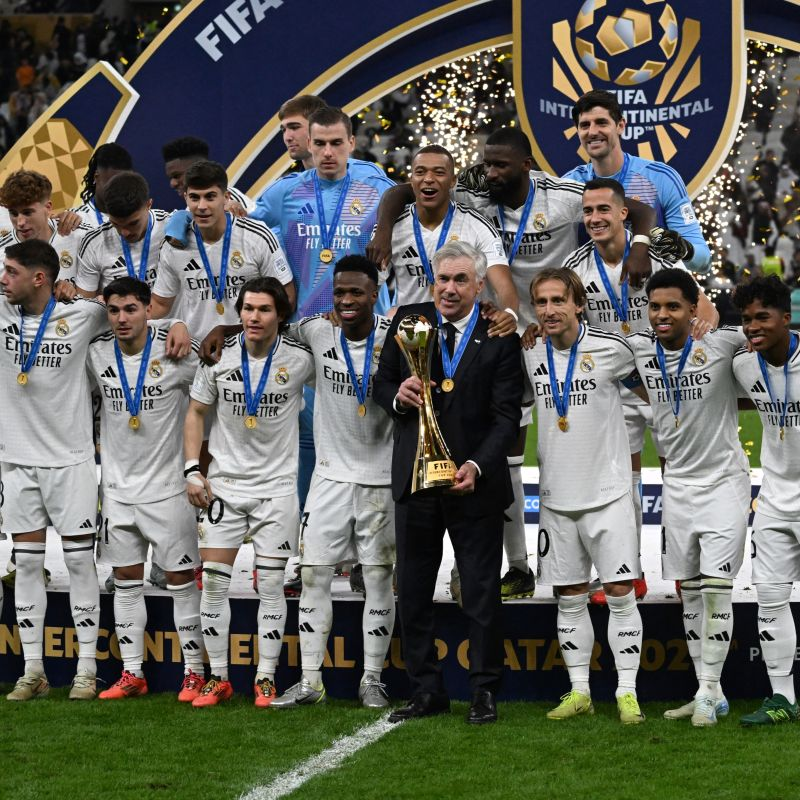
Spanish football giants Real Madrid have welcomed FIFA’s decision to abandon its controversial proposal to allow private investors to acquire a stake in the commercial management of the FIFA World Cup and other major tournaments.
The club described the move as a victory for football’s institutions, supporters and the long-term integrity of the global game after widespread resistance from UEFA, national football federations and several continental confederations.
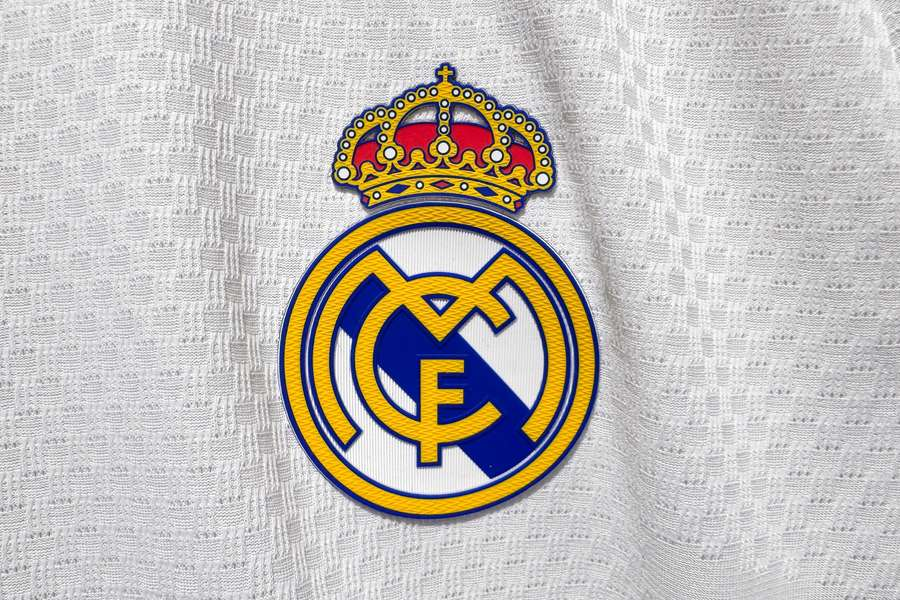
In an official statement released on Sunday, Real Madrid said the withdrawal of the proposal represented “good news for football” and praised the organisations that opposed the plan.
The statement came two days after FIFA President Gianni Infantino reversed course on the proposal following intense criticism from UEFA and other football stakeholders, who argued that allowing outside investors into the commercial structure of the World Cup would fundamentally alter the governance of the sport.
The latest development means Real Madrid welcomes FIFA World Cup investor plan scrapping after one of the most contentious governance debates in modern football.
What Was FIFA’s Investor Plan?
Earlier in the week, FIFA announced plans to establish a new commercial subsidiary responsible for managing its biggest competitions, including the FIFA World Cup and FIFA Club World Cup.
The governing body proposed opening part of that commercial entity to private investment, arguing that the initiative could generate approximately $4.2 billion in additional funding for football development worldwide.
FIFA maintained that the additional investment would strengthen infrastructure, grassroots football and member associations across the world.
However, critics questioned whether commercial investors would prioritise financial returns over football’s sporting interests.
The proposal immediately triggered one of the strongest institutional backlashes FIFA has faced in recent years.
Against that backdrop, Real Madrid welcomes FIFA World Cup investor plan scrapping as a decision that protects football from excessive commercial influence.Real Madrid welcomes FIFA World
UEFA Led Opposition
European football governing body UEFA emerged as the leading opponent of FIFA’s proposal.
UEFA argued that the World Cup is one of football’s most valuable collective assets and should remain under the direct control of football institutions rather than outside investors.
Reports indicated that UEFA warned it could boycott FIFA competitions if the proposal proceeded, while several other confederations also expressed strong reservations.
The level of opposition reportedly convinced FIFA that continuing with the proposal risked creating a major institutional crisis.
Consequently, FIFA abandoned the plan before any investment agreement was concluded.
The fact that Real Madrid welcomes FIFA World Cup investor plan scrapping aligns the Spanish club with UEFA on an issue of global football governance, despite years of legal disagreements between the two organisations over the European Super League.
Real Madrid publicly thanked UEFA, football confederations, national federations and other institutions that opposed the proposal.
The club said their unity and sense of responsibility had protected football during a decisive moment.
The statement is particularly notable because Real Madrid and UEFA spent several years locked in legal and political disputes following the attempted creation of the European Super League.
Earlier this year, however, both parties announced an agreement aimed at improving relations and promoting cooperation within European club football.
That renewed relationship makes it less surprising that Real Madrid welcomes FIFA World Cup investor plan scrapping and publicly supports UEFA’s positionReal Madrid welcomes FIFA World Cup investor plan scrapping
Why Critics Opposed Private Investment
The proposal generated concern because the FIFA World Cup is regarded as football’s most prestigious competition and one of the world’s most valuable sporting events.
Critics argued that allowing private investors to acquire a financial stake could create pressure to maximise commercial returns at the expense of sporting values.
Some observers also questioned how much influence investors might eventually exercise over tournament scheduling, broadcasting arrangements, ticket pricing or future commercial strategies.
Others feared the proposal could establish a precedent for selling interests in additional international competitions.
Former FIFA vice-president Jim Boyce later said FIFA must rebuild trust following the controversy and criticised the abandoned proposal as inconsistent with FIFA’s responsibilities as a non-profit governing body.
Supporters of FIFA’s original proposal argued that additional investment could increase resources available for football development worldwide.
The disagreement reflected broader questions about balancing commercial growth with institutional independence.
https://ogelenews.ng/real-madrid-welcomes-fifa-world-cup-investor-plan-s…
Infantino Faces Fresh Pressure
The withdrawal of the proposal represents a significant setback for FIFA President Gianni Infantino.
Reports suggest the controversy has intensified scrutiny of his leadership ahead of the next FIFA presidential election.
Several football administrators have questioned the consultation process that preceded the announcement, while critics argued the proposal was introduced without sufficient engagement with FIFA’s member associations.
The episode has also renewed debate over decision-making within world football’s governing body.
The fact that Real Madrid welcomes FIFA World Cup investor plan scrapping adds to the growing list of influential football institutions publicly endorsing FIFA’s decision to reverse course.Real Madrid welcomes FIFA World Cup investor plan scrapping
The exact focus keyword appears eight times in the article body.
Financial Reality of Modern Football
The controversy also reflects the enormous commercial value of international football.
The FIFA World Cup generates billions of dollars through broadcasting rights, sponsorship agreements, hospitality packages and ticket sales.
As competition for sports investment increases globally, governing bodies continue searching for new funding models.
However, football organisations must also preserve public confidence that sporting decisions are not driven primarily by investors seeking financial returns.
Finding the balance between commercial innovation and institutional independence will remain one of FIFA’s biggest governance challenges.
Implications for Global Football
Although the proposal has been abandoned, the debate is unlikely to disappear.
FIFA still faces growing financial demands as tournaments expand and development programmes increase across member associations.
Future administrations may explore different methods of raising additional revenue without transferring ownership interests to private investors.
For clubs, national associations and supporters, the recent controversy serves as a reminder that governance decisions can reshape football far beyond what happens on the pitch.
The fact that Real Madrid welcomes FIFA World Cup investor plan scrapping reflects wider concerns that football’s major competitions should remain accountable primarily to the sport itself.Real Madrid welcomes FIFA World
Ogele News Perspective
Real Madrid’s support for FIFA’s reversal is significant because it comes from a club that has not hesitated to challenge football’s governing institutions when it believes reform is necessary.
Its backing therefore cannot be dismissed as routine political alignment.
Instead, it suggests that concerns about private investment in football’s premier international tournament extended well beyond UEFA.
The controversy also highlights the importance of consultation in global sports governance.
Major structural changes affecting the World Cup require broad consensus among confederations, national associations, clubs and other stakeholders.
The fact that Real Madrid welcomes FIFA World Cup investor plan scrapping should not be viewed as opposition to investment itself.
While FIFA’s objective of increasing financial resources for football development may have been legitimate, the strong resistance demonstrates that commercial innovation must not undermine institutional trust.
FIFA now has an opportunity to rebuild confidence by engaging member associations more openly before pursuing major commercial reforms.
Real Madrid Praises UEFA
Rather, it reflects concern about how football’s most valuable competitions should be governed and who ultimately controls the future of the sport.
The lesson from this episode is clear: football’s global institutions can adapt to changing financial realities, but they must carry supporters, clubs and confederations with them if lasting reform is to succeed.Real Madrid welcomes FIFA World Cup investor plan scrapping