
















Taraba union ticket killing
The Taraba State Police Command has arrested two suspects following the death of a commercial tricycle union pass distributor during a disagreement over a daily transport ticket in Jalingo.
The incident occurred on Wednesday, July 29, 2026, at Angwan Kassa Junction, a community on the outskirts of the Taraba State capital. The confrontation reportedly began after the union official stopped a commercial tricycle operator accused of working without obtaining the mandatory daily ticket.
What began as an argument allegedly deteriorated into violence, during which the pass distributor was stabbed. He later died from the injuries sustained during the confrontation.
The Taraba union ticket killing has once again raised questions about violence associated with the collection of transport levies across Nigerian cities, as well as the absence of effective conflict-resolution mechanisms within some transport unions.
Police spokesperson for the Taraba State Command, ASP Victor Mshelizah, confirmed that two suspects had been taken into custody in connection with the incident.
According to Mshelizah, the suspects were undergoing interrogation and would be charged before a court after police investigators completed their work.
Argument Over Daily Union Ticket Turns Deadly
Available accounts indicate that the deceased worked as a pass distributor responsible for ensuring that commercial tricycle operators obtained the daily union ticket required to operate along the route.
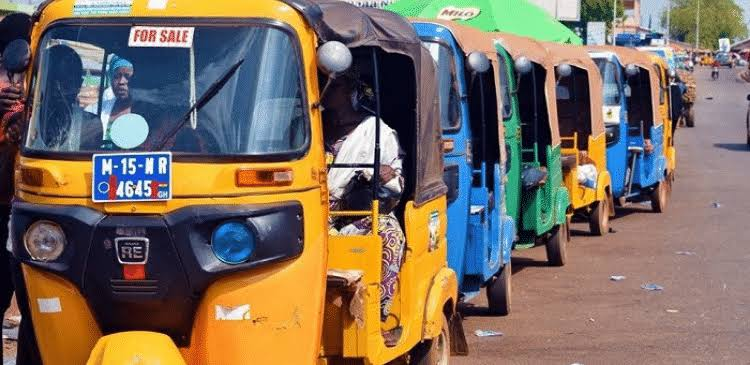
The disagreement reportedly began when he confronted a Keke NAPEP operator who had allegedly failed to purchase the ticket.
Witness accounts cited in media reports suggested that the victim insisted that the operator comply with the union’s ticketing requirement. The exchange became heated before the confrontation turned violent.
The union official was allegedly stabbed during the altercation and later died from his injuries. Police subsequently arrested two people believed to have information about, or involvement in, the incident.
The police have not publicly identified the suspects. They have also not released the name of the deceased or disclosed the specific roles allegedly played by each detained person.
For that reason, reporting on the Taraba union ticket killing must distinguish between arrest and conviction. The suspects remain innocent in the eyes of the law unless a competent court finds them guilty.
Police Promise Prosecution After Investigation
Confirming the arrests, Mshelizah said the two suspects would remain in police custody while investigators examined the circumstances surrounding the death.
He added that they would be prosecuted after the conclusion of the investigation.
The police are expected to establish who carried out the stabbing, what triggered the confrontation and whether other people participated in the violence.
Investigators will also need to determine whether a weapon was recovered, whether eyewitnesses have made statements and whether surveillance footage or other evidence exists around Angwan Kassa Junction.
The police statement did not provide those details.
The promise of prosecution in the Taraba union ticket killing should therefore be followed by a thorough and transparent investigation. A rushed process could deny justice to the deceased while also exposing innocent people to wrongful prosecution.
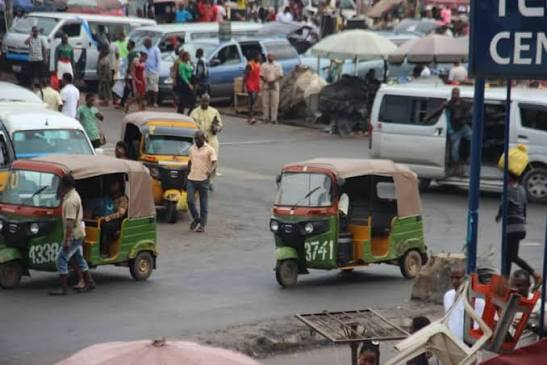
Tricycle Operators Abandon Jalingo Route
The incident immediately affected commercial transportation in the area.
Tricycle operators working from Area Command Junction through Angwan Kassa to Deeper Life Camp Junction reportedly withdrew their services after the killing.
Their absence left many commuters stranded, forcing some residents to trek long distances before finding alternative transportation.
The withdrawal appeared to reflect fear of further violence or possible reprisals following the confrontation.
Transport and security authorities must act quickly to prevent the Taraba union ticket killing from developing into a larger dispute between union officials and commercial tricycle operators.
Residents who depend on Keke NAPEP services should not be forced to bear the consequences of a disagreement between transport workers and ticket collectors.
Union leaders must also reassure their members that no retaliatory action will be tolerated.
Ticket Collection Must Not Become a Source of Violence
The collection of daily transport tickets is common across many Nigerian motor parks and commercial routes. Unions and local authorities often use such levies to regulate operations, identify members or generate revenue.
However, disputes frequently arise when drivers question the legality, amount or frequency of the payments demanded from them.
In some locations, multiple groups reportedly collect separate levies from the same operators. This can create frustration, resistance and confrontations between drivers and those responsible for enforcing payment.
The circumstances of the Taraba union ticket killing remain under investigation. It would therefore be wrong to conclude that the ticketing system itself caused the death.
Nevertheless, the tragedy exposes the urgent need for clear regulations governing the collection of money from commercial transport operators.
Ticket collectors should be properly identified and trained to avoid physical confrontation. Operators who refuse to comply should be reported through an established disciplinary process rather than being confronted violently.
In the same way, commercial drivers must not respond to disagreements with threats or violence.
No dispute over a ticket, levy or union obligation should cost a person his life.
Authorities Must Clarify Ticketing Rules
The Taraba State Government, local authorities and transport unions should use this incident as an opportunity to review the collection of daily tickets from commercial tricycle operators.
Authorities should clearly explain who is legally permitted to issue tickets, how much operators are required to pay and how complaints can be submitted.
Where several bodies demand payments on the same route, the government must eliminate duplication and prevent unauthorised collection.
The Taraba union ticket killing also highlights the need for safe dispute-resolution procedures. A driver who disagrees with a ticket collector should have access to a union office or regulatory body where the complaint can be addressed peacefully.
Similarly, union officials should not be left to enforce ticket payments without clear guidelines, adequate supervision and protection from assault.
A well-regulated system would protect transport workers, union officials and commuters.
https://ogelenews.ng/taraba-union-ticket-killing-police-arrest-two
Justice Must Follow Due Process
The arrest of two suspects represents only the beginning of the criminal investigation.
Police must collect credible evidence before filing charges. The case should not be determined by rumours, union pressure or public anger.
The suspects must be granted access to legal representation and treated in accordance with Nigerian law. At the same time, the victim’s family deserves a prompt investigation and a clear explanation of what happened.
The Taraba union ticket killing should not become another case that disappears from public attention after the first announcement of arrests.
If investigators establish sufficient evidence, the suspects should be charged without unnecessary delay. If the evidence does not support prosecution, the police must avoid keeping anyone in indefinite detention.
Due process is not an obstacle to justice. It is the path through which justice must be delivered.
Ogele News Perspective
The death of a transport union official over a daily ticket is a sobering reminder of how quickly ordinary disagreements can become fatal when restraint is abandoned.
The immediate responsibility of the police is to identify the person or people responsible and present credible evidence before a court.
But the responsibility does not end there.
Transport unions, the Taraba State Government and local authorities must examine the system that placed a ticket collector and a commercial operator in direct confrontation without an effective mechanism for resolving disagreement.
The Taraba union ticket killing must lead to more than arrests and public condemnation. It should produce reforms that make ticket collection transparent, lawful and free from intimidation.
Commercial transport workers provide an essential service to thousands of residents. Union officials also perform administrative and regulatory duties within the sector. Neither group should operate under conditions where a disagreement over payment can end in death.
Community leaders and union executives should discourage reprisals while the police investigation continues. Rumours and collective blame could inflame tension and expose more people to danger.
Ultimately, the Taraba union ticket killing is not merely a transport-union dispute. It is a criminal case involving the loss of a human life.
The deceased deserves justice. The suspects deserve a fair investigation. Jalingo residents deserve safety, and commuters deserve the restoration of transport services without fear of further violence.