














Fake agency scandal
The fake agency scandal surrounding the controversial Presidential Foreign Investment Promotion Council (PFIPC) entered a new phase on Monday as Speaker of the House of Representatives, Tajudeen Abbas, formally inaugurated an ad hoc committee to investigate how the alleged non-existent agency secured a budgetary allocation of about ₦1.32 billion in the 2026 Appropriation Act.
The inauguration, which takes place at the National Assembly Complex in Abuja, marks the beginning of the House of Representatives’ independent investigation into what has become one of the most controversial governance issues in recent months. The committee is expected to determine how an agency that the Federal Government insists has no legal backing found its way into Nigeria’s national budget.
The fake agency scandal has attracted widespread public attention because it raises serious concerns about transparency, accountability and the integrity of Nigeria’s budget process. While anti-corruption agencies have already launched separate investigations, lawmakers insist that Parliament also has a constitutional duty to determine whether public institutions or officials failed in their responsibilities.
The ad hoc committee is chaired by Hon. Yusuf Gagdi, representing Kanke, Kanam and Pankshin Federal Constituency of Plateau State. It was constituted following a resolution adopted by the House of Representatives after lawmakers expressed concern over the inclusion of the PFIPC in the federal budget despite questions surrounding its legal existence.
According to the House, the investigation is being conducted pursuant to Sections 88 and 89 of the 1999 Constitution, which empower the National Assembly to investigate matters relating to public finance and the administration of government institutions. The committee is expected to conduct public hearings, receive memoranda from stakeholders and recommend appropriate legislative or administrative actions where necessary.
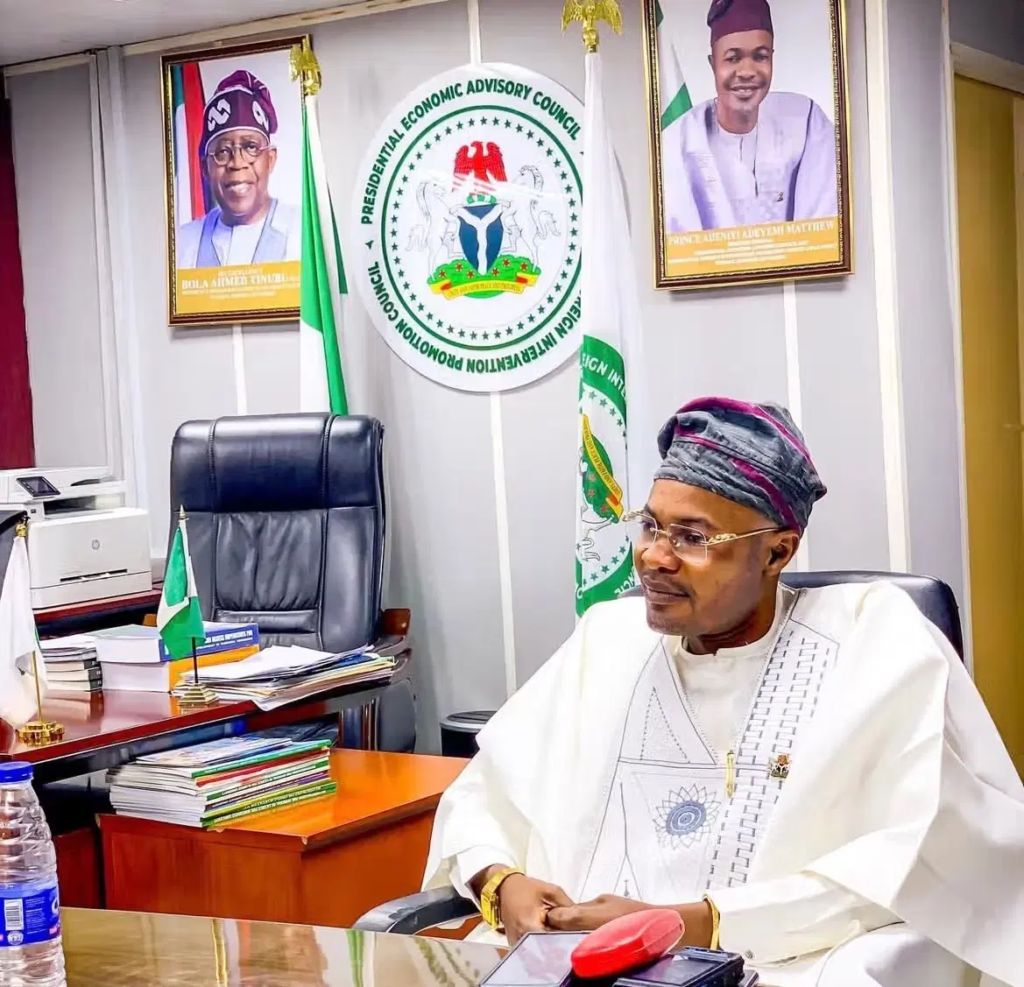
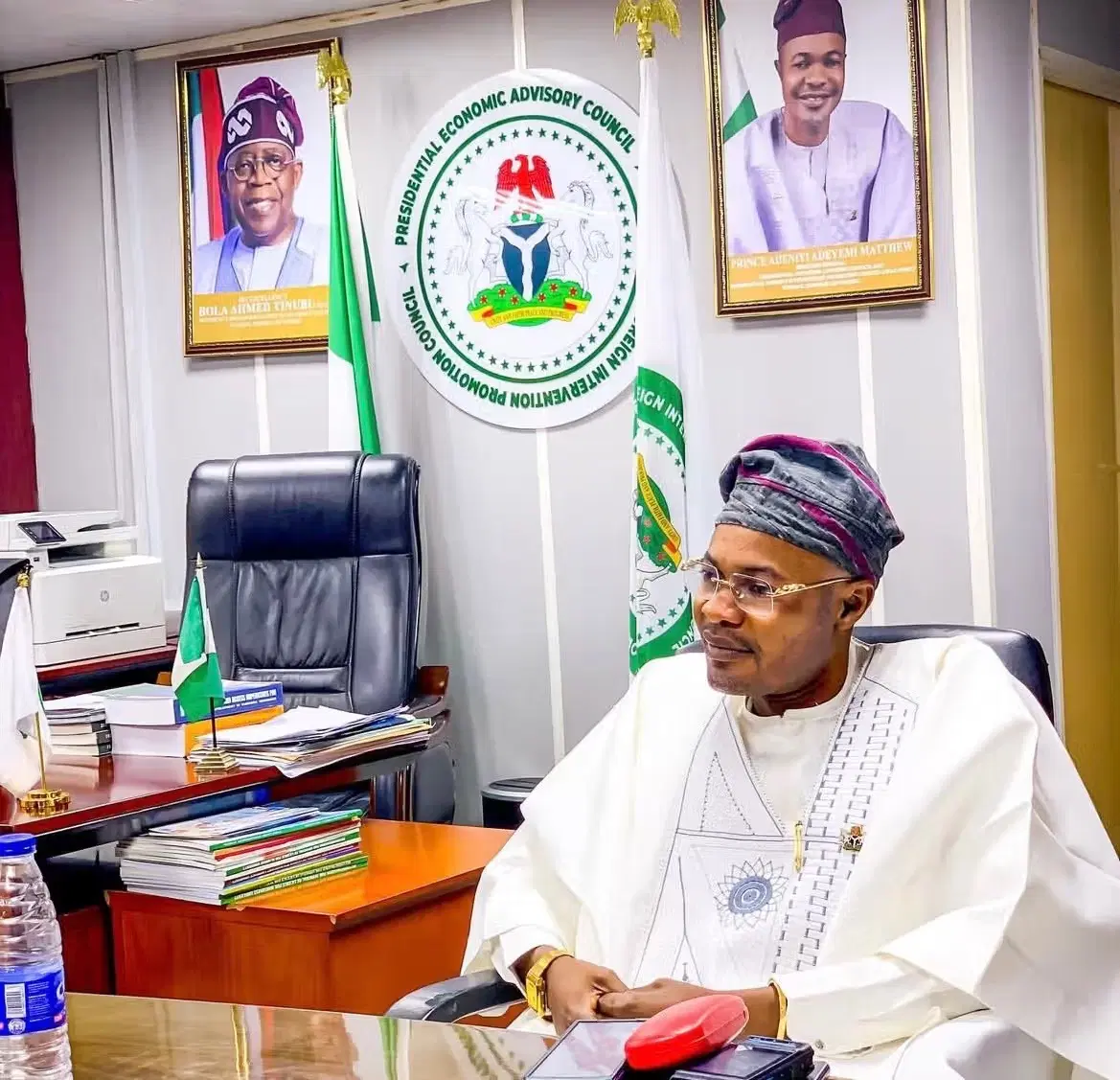
At the centre of the fake agency scandal is Adeniyi Adeyemi, who allegedly presented himself as the Director-General of the Presidential Foreign Investment Promotion Council. Investigators are examining allegations that the council, despite lacking formal legal establishment, was included in the 2026 federal budget with an allocation running into over one billion naira.
The controversy intensified after allegations emerged linking the process of establishing the agency to senior government officials. One of the claims alleged that money changed hands to facilitate official recognition of the council. However, both the Presidency and the Office of the Chief of Staff have firmly denied the allegations, maintaining that no such agency exists under the Federal Government.
The House committee is expected to invite officials from relevant Ministries, Departments and Agencies, civil society organisations, professional bodies, development partners and members of the public to participate in the investigation. The committee has also requested written memoranda from interested stakeholders to aid its work.
Observers believe the fake agency scandal presents an opportunity for lawmakers to strengthen legislative oversight of Nigeria’s budget preparation process. Public finance experts have argued that weaknesses in budget verification systems must be addressed to prevent similar controversies in future appropriations.
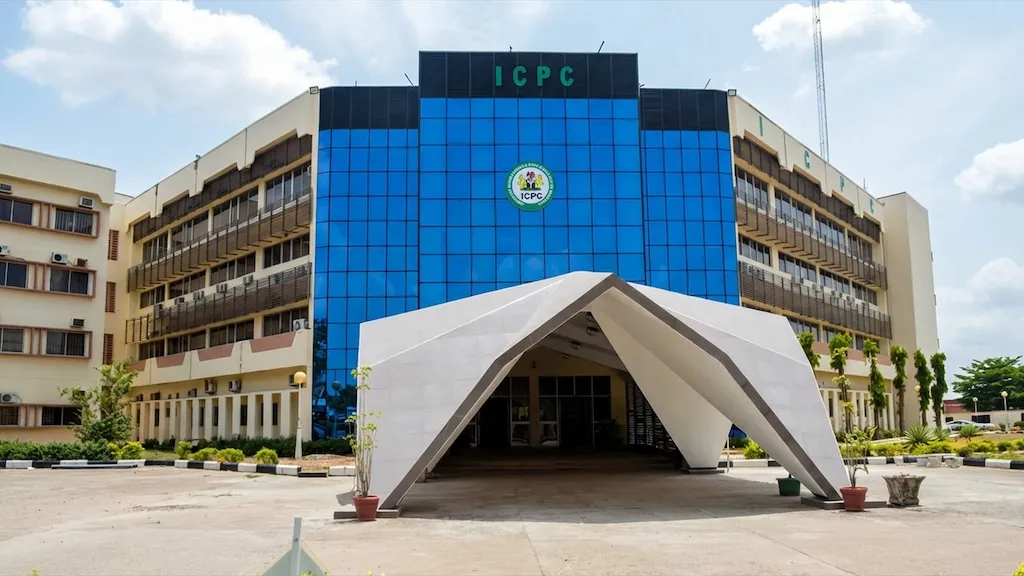
Meanwhile, the Independent Corrupt Practices and Other Related Offences Commission (ICPC) is conducting its own investigation following President Bola Tinubu’s directive ordering a comprehensive probe into the alleged insertion of the agency into the federal budget. The Nigeria Police are also pursuing criminal investigations connected with the matter.
Although the House investigation will run alongside the ICPC and police probes, lawmakers insist that the legislative inquiry is different in scope. Rather than focusing solely on criminal liability, the committee will examine whether government procedures were compromised, identify institutional lapses and recommend reforms capable of preventing future occurrences.
The fake agency scandal has also reignited debates over transparency in Nigeria’s appropriation process. Analysts say every agency benefiting from public funds should have clear statutory backing, verifiable institutional records and publicly accessible documentation before receiving allocations in the national budget.
https://ogelenews.ng/fake-agency-scandal-abbas-inaugurates-house-probe-p…
Beyond establishing individual responsibility, the House is expected to recommend stronger safeguards for budget preparation, verification and legislative scrutiny. Governance advocates have argued that greater digital transparency, stricter documentation requirements and enhanced inter-agency verification could significantly reduce the risk of similar incidents.
Political observers note that the outcome of the investigation may influence future reforms within Nigeria’s budgeting framework. Should the committee uncover procedural failures or deliberate misconduct, its recommendations could lead to tighter oversight of budget proposals and stronger accountability mechanisms across government institutions.
For many Nigerians, the fake agency scandal has become more than a dispute over one agency. It has evolved into a broader conversation about institutional credibility, fiscal responsibility and public confidence in government spending.
As the public hearings commence, attention will remain focused on whether the House committee can provide clear answers to how an allegedly non-existent agency secured a place in the country’s spending plan. The findings are also expected to complement ongoing investigations by anti-corruption agencies and contribute to efforts aimed at strengthening accountability in Nigeria’s public finance system.
Ultimately, the fake agency scandal will test the effectiveness of Nigeria’s oversight institutions. Whether through legislative recommendations, criminal prosecutions or administrative reforms, Nigerians will be looking for concrete actions that reinforce transparency and restore confidence in the nation’s budgeting process.