














Jigawa malnutrition committee
The Jigawa State Government has approved the establishment of a high-level committee to coordinate efforts aimed at reducing malnutrition and improving the nutritional status of children, pregnant women and other vulnerable groups across the state.
The committee was approved by the State Executive Council as part of broader public health reforms designed to address persistent cases of child undernutrition, stunting, wasting and micronutrient deficiencies.
According to the state government, the new body will coordinate nutrition interventions across ministries, departments and agencies while strengthening collaboration with development partners and international organisations.
The decision means Jigawa malnutrition committee has become a central component of the state’s strategy to improve maternal and child health outcomes and accelerate progress toward national nutrition targets.
Government Moves to Address Malnutrition
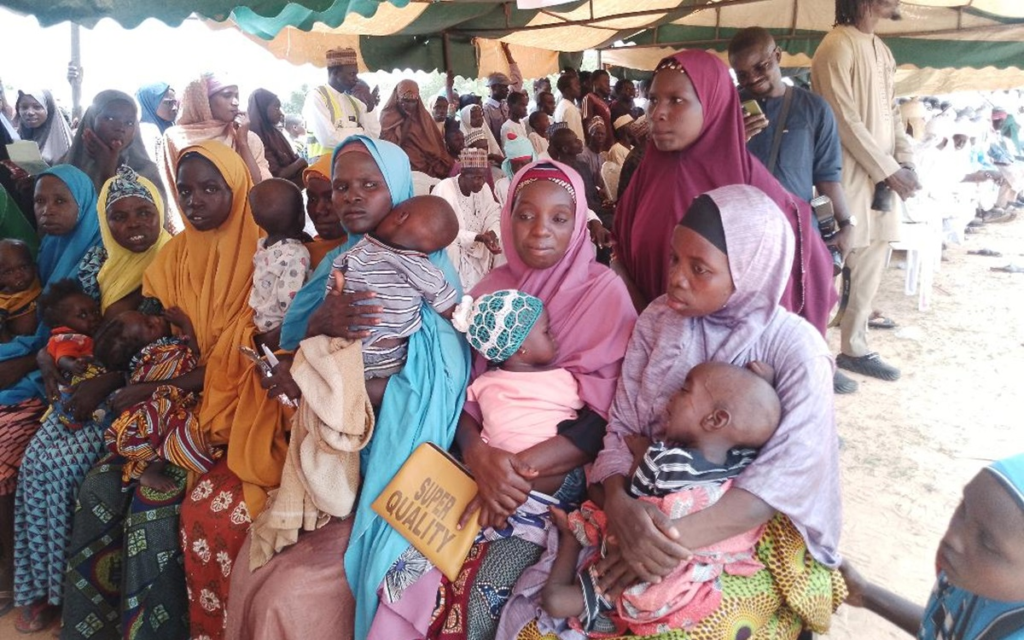
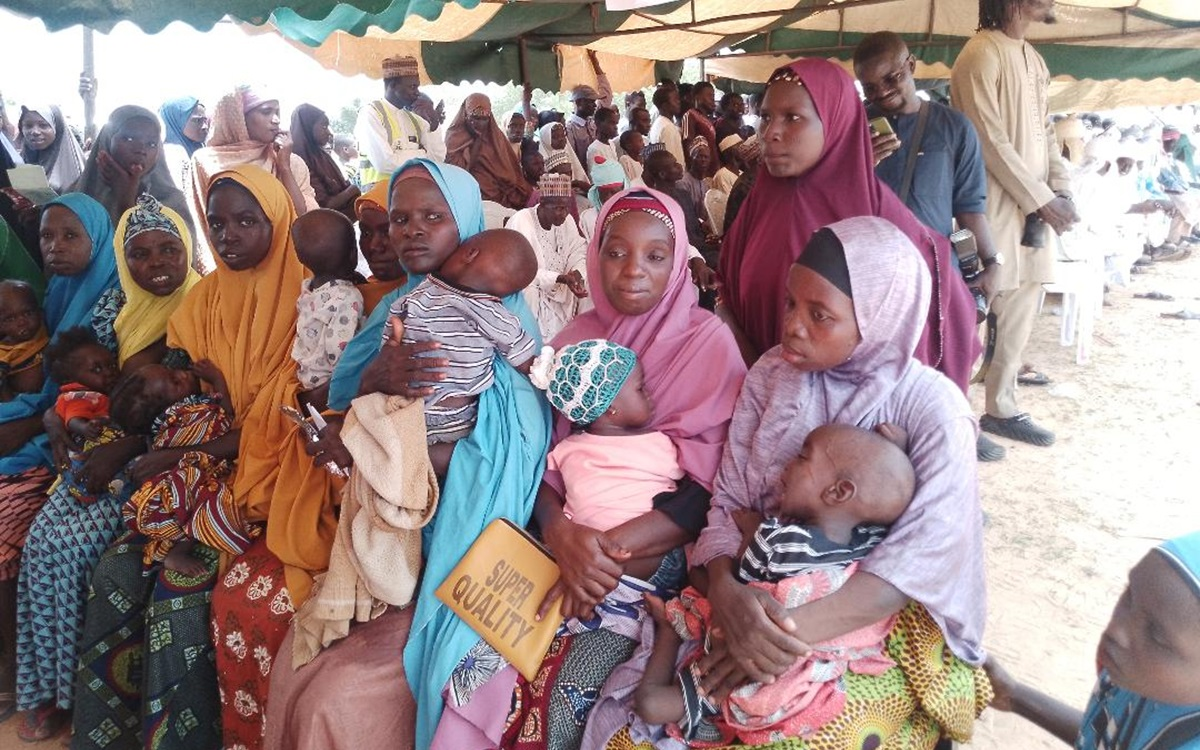
The Jigawa State Government explained that malnutrition remains one of the major public health challenges affecting children under five years of age.
Officials said poor nutrition contributes significantly to childhood illnesses, impaired physical growth, reduced cognitive development and increased vulnerability to disease.
The newly approved committee will develop coordinated strategies capable of improving nutrition services throughout the state.
The establishment of the Jigawa malnutrition committee reflects growing recognition that nutrition requires coordinated action involving multiple sectors rather than health institutions alone.
Government officials believe improved coordination will enhance the effectiveness of existing interventions.
Committee to Coordinate Nutrition Policies
According to the state government, the committee will serve as the central coordinating mechanism for nutrition-related programmes.
Its responsibilities are expected to include policy implementation, programme monitoring, stakeholder engagement and resource mobilisation.
Officials also said the committee would encourage stronger collaboration among ministries responsible for health, education, agriculture, water resources and social development.
The Jigawa malnutrition committee will therefore operate beyond the health sector by promoting a comprehensive approach to nutrition.
Experts have consistently argued that effective nutrition programmes require integrated planning across several government institutions.
Why Malnutrition Remains a Challenge
Malnutrition continues to affect millions of children across Nigeria despite years of public health interventions.
Health experts identify poverty, food insecurity, poor maternal nutrition, inadequate infant feeding practices, infectious diseases and limited access to healthcare as major contributing factors.
Climate change, displacement and rising food prices have also increased nutritional vulnerability in many communities.
The creation of the Jigawa malnutrition committee acknowledges that addressing these challenges requires coordinated policies rather than isolated interventions.
Nutrition specialists emphasise that preventing malnutrition often costs significantly less than treating its long-term consequences.
Focus on Women and Children
The committee is expected to prioritise programmes targeting pregnant women, breastfeeding mothers, infants and young children.
These groups face the greatest nutritional risks because early childhood nutrition significantly influences lifelong health and cognitive development.
Government officials indicated that improving maternal nutrition would also contribute to healthier pregnancies and better birth outcomes.
The work of the Jigawa malnutrition committee is therefore expected to focus strongly on the first one thousand days of life, a period widely recognised by public health experts as critical for child development.
Investment during this stage can produce lasting improvements in health and educational outcomes.
https://ogelenews.ng/jigawa-approves-committee-to-combat-malnutrition-st…
Multi-Sector Collaboration
Nutrition outcomes depend on several interconnected factors.
Agriculture influences food availability.
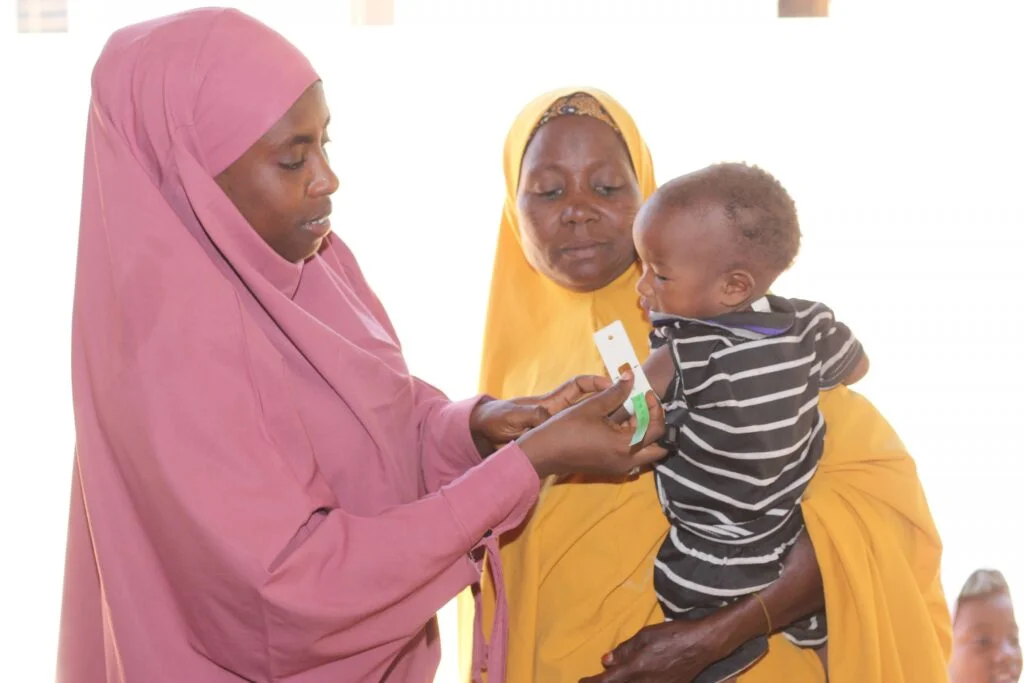
Health services provide treatment and nutritional counselling.
Education promotes awareness of healthy feeding practices.
Water, sanitation and hygiene reduce disease transmission that contributes to malnutrition.
Recognising these connections, the Jigawa malnutrition committee will encourage cooperation among government institutions, development partners and local communities.
Such collaboration increases the likelihood of achieving sustainable improvements.
Development Partners Expected to Participate
Jigawa has previously worked with several national and international development organisations on nutrition and maternal health programmes.
The new committee is expected to strengthen those partnerships while improving coordination among participating institutions.
Development partners frequently provide technical assistance, funding, nutrition commodities and capacity-building programmes.
The establishment of the Jigawa malnutrition committee provides an institutional platform capable of coordinating these contributions more effectively.
Officials believe stronger coordination will reduce duplication while improving programme efficiency.
Nutrition Supports Economic Development
Health economists increasingly recognise nutrition as an important driver of economic productivity.
Well-nourished children generally perform better academically, experience fewer illnesses and become healthier adults.
Improved nutrition also reduces healthcare costs while strengthening workforce productivity over time.
The creation of the Jigawa malnutrition committee therefore represents not only a health initiative but also an investment in human capital development.
Reducing childhood malnutrition contributes to broader economic and social progress.
Success Will Depend on Implementation
Approving a committee represents only the first stage of reform.
Its effectiveness will depend on sustained funding, measurable targets, reliable data collection and continuous monitoring.
Experts also emphasise the importance of community participation because many nutrition practices are influenced by household behaviour.
The Jigawa malnutrition committee will need to combine policy development with practical community engagement if lasting improvements are to be achieved.
Regular evaluation will also help determine whether interventions are producing measurable health outcomes.
Ogele News Perspective
The decision by the Jigawa State Government reflects growing recognition that malnutrition remains one of Nigeria’s most pressing public health challenges.
Children who suffer poor nutrition during their early years often experience lifelong consequences affecting education, health and economic productivity.
The establishment of a dedicated coordinating committee is therefore a positive institutional step.
However, committees alone do not reduce malnutrition.
Success will depend on effective implementation, sustained political commitment, adequate funding and meaningful collaboration among government institutions, healthcare providers, communities and development partners.
The Jigawa malnutrition committee should therefore focus on measurable outcomes rather than administrative processes alone.
Improved access to nutritious food, maternal education, quality healthcare and community awareness will ultimately determine whether the initiative succeeds.
If effectively implemented, the committee could strengthen Jigawa’s nutrition programmes while contributing to healthier children, stronger families and improved human capital development across the state.