















No fire outbreak at MMIA
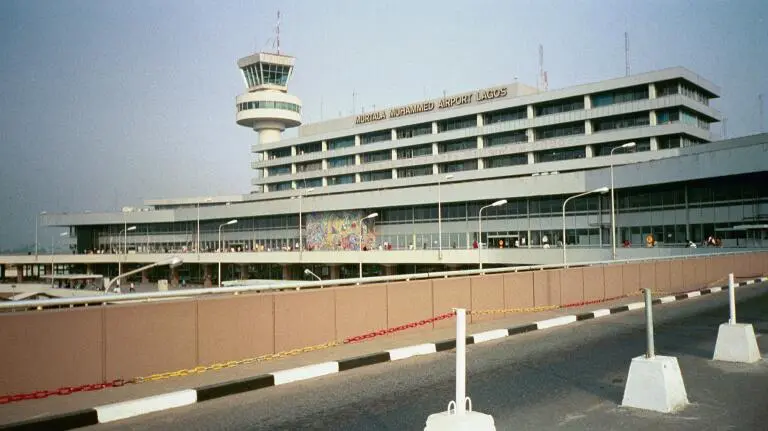
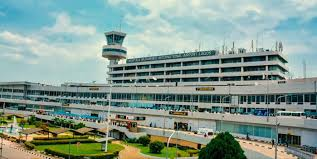
The Federal Airports Authority of Nigeria has clarified that no fire occurred at Terminal 2 of the Murtala Muhammed International Airport in Lagos, contrary to an earlier advisory issued after smoke was observed inside part of the facility.
FAAN said preliminary findings showed that the smoke came from the discharge of the terminal’s FM-200 fire-suppression system rather than an active fire.
The authority added that investigations were continuing to establish what caused the suppression system to activate.
The clarification that there was no fire outbreak at MMIA followed an earlier statement in which FAAN announced that a fire incident had occurred at Terminal 2 and that its emergency responders were working to contain the situation.
No casualties, injuries or loss of life were reported, while normal operations later resumed at the terminal.
FAAN Corrects Earlier Fire Announcement
The incident occurred on Sunday, August 2, 2026, at Terminal 2 of Nigeria’s busiest international airport.
In its first public advisory, FAAN said a fire incident had occurred and that personnel of its Aerodrome Rescue and Firefighting Service had been deployed.
The initial statement prompted widespread media reports describing the development as a fire outbreak at the international terminal.
FAAN later issued an updated statement through its Director of Public Affairs and Consumer Protection, Henry Agbebire.
According to the revised account, preliminary checks established that there was no fire outbreak at MMIA and that the smoke seen in the affected area resulted from the discharge of the terminal’s fire-suppression system.
The authority said the reason for the activation remained under investigation.No fire outbreak at MMIA
That distinction is important. Smoke inside an airport terminal is sufficient reason to activate emergency procedures, evacuate affected areas and deploy firefighting personnel. However, emergency activation does not automatically mean that investigators will eventually confirm an actual fire.
Smoke Came from Suppression System
FAAN identified the terminal’s FM-200 fire-suppression system as the source of the smoke-like discharge observed inside the building.
The system is designed to respond to a potential fire emergency, but the authority had not established what triggered its activation at the time of its clarification.
FAAN’s position that there was no fire outbreak at MMIA was therefore based on preliminary findings rather than the conclusion of a completed technical investigation.
The authority must now determine whether the system was activated by a detector, an equipment malfunction, an electrical fault, accidental human action or another cause.
Until that investigation is concluded, it would be premature to speculate about why the suppression system discharged.
The important confirmed facts are that smoke was observed, emergency procedures were activated, responders attended to the situation and preliminary checks found no active fire.No fire outbreak at MMIA
https://ogelenews.ng/no-fire-outbreak-at-mmia
Normal Operations Resume at Terminal 2
FAAN said normal operations resumed after the situation was assessed and the terminal was considered safe for continued use.
Passengers were again processed, while flight activities continued at the airport.
The confirmation that there was no fire outbreak at MMIA helped reduce concern among travellers, airlines and airport workers who had encountered reports of a fire at the terminal.
Airport disruptions can quickly affect large numbers of passengers because Terminal 2 handles significant international traffic.
Even a brief interruption can delay check-in procedures, security screening, boarding, baggage handling and flight departures.
FAAN thanked passengers, airlines and other airport users for their cooperation during the emergency response. The authority also restated its commitment to the safety and security of airport operations.No fire outbreak at MMIA
Initial Statement Created Confusion
FAAN deserves credit for correcting its earlier announcement once preliminary findings became available.
However, the difference between the first and second statements inevitably created public confusion.
The first announcement clearly described the situation as a fire incident. The later statement said there had been no fire and attributed the smoke to the suppression system.
The clarification that there was no fire outbreak at MMIA should therefore not be presented as though the earlier reports were invented by journalists or social media users.
Many news organisations relied directly on FAAN’s first statement when reporting that a fire had occurred.
The lesson is that emergency communication must be accurate, carefully worded and updated quickly.
Where the cause of smoke has not been established, authorities may describe the event as a suspected fire, smoke incident or emergency activation pending assessment.
Such wording informs the public without presenting an unverified conclusion as fact.No fire outbreak at MMIA
Emergency Response Was Appropriate
The absence of a confirmed fire does not mean that the emergency response was unnecessary.
Smoke inside an airport terminal presents a potential threat to passengers, workers, aircraft operations and critical equipment.
Airport responders are expected to treat such incidents seriously until the danger has been properly assessed.
The deployment of the Aerodrome Rescue and Firefighting Service was therefore a reasonable precaution.
The declaration that there was no fire outbreak at MMIA only became possible after responders and technical personnel examined the affected area.
Safety must remain the priority in every aviation incident. It is better for emergency teams to respond rapidly to a false or accidental alarm than to delay action during a genuine fire.
However, repeated unexplained activations can cause disruption and weaken confidence in safety systems. FAAN must therefore identify the cause and make any necessary technical corrections.
Previous Fire at Lagos Airport
The latest smoke scare occurred about five months after a confirmed fire affected Terminal 1 of the Murtala Muhammed International Airport on February 23, 2026.
FAAN confirmed that earlier incident and deployed emergency personnel while the old terminal was undergoing renovation.
The recent history may explain why reports of smoke at Terminal 2 immediately caused concern among passengers and members of the public.
Nevertheless, the two incidents should not be confused.
The February event was reported as a fire, while FAAN’s preliminary account of the August incident states that there was no fire outbreak at MMIA Terminal 2.
Clear communication is particularly important when two safety incidents occur at different terminals of the same airport within a relatively short period.
Investigation Must Produce Clear Answers
FAAN should publish the outcome of its investigation rather than allowing the matter to end with the preliminary clarification.
The final report should explain what activated the suppression system, whether any component malfunctioned and whether maintenance or operational changes are required.
It should also state whether the discharge caused damage to equipment, disrupted airline operations or exposed passengers and workers to any avoidable risks.
The finding that there was no fire outbreak at MMIA answers the immediate public question, but it does not resolve the technical issue.
A fire-suppression system should not activate without a reason. Establishing that reason will help prevent a similar event and ensure that the system remains dependable during a genuine emergency.
FAAN should also review how information moved from airport responders to its public communications team.
The first statement may have been issued at a time when officials were acting on limited information. Even so, an airport authority must differentiate between an emergency report and a verified technical finding.
Passengers Should Rely on Official Updates
Passengers affected by an airport emergency should follow instructions from airport personnel and avoid entering restricted areas.
They should also check updates from FAAN and their airlines before making decisions about travel.
Social media photographs and videos may show smoke or emergency vehicles, but they may not provide enough information to establish the cause of an incident.
At the same time, official sources must earn public trust by correcting inaccurate information openly and promptly.
FAAN’s clarification that there was no fire outbreak at MMIA was necessary because the initial announcement had already shaped public understanding of the incident.
The authority should continue updating the public when the investigation is completed.
Ogele News Perspective
FAAN’s correction should reassure passengers that Terminal 2 did not suffer the fire initially feared.
It should also prompt an internal review of both the technical incident and the authority’s crisis communication.
The airport’s emergency personnel acted appropriately by responding immediately to the presence of smoke. Safety agencies cannot afford to wait for complete certainty before taking action in a busy terminal.
However, public communication requires a different level of care.
Officials should avoid declaring that a fire has occurred until responders have confirmed it. Where information is still developing, the authority should clearly state that an investigation is underway.
The announcement that there was no fire outbreak at MMIA does not make the incident unimportant.
An unexplained discharge from a fire-suppression system inside an international terminal deserves a full technical investigation.
FAAN must determine the cause, correct any defect and publish the essential findings.
Passengers need confidence not only that emergency systems exist, but that those systems work properly and that the information provided by airport authorities is reliable.
The incident ended without casualties and normal operations resumed. That is the most important outcome.
The next responsibility is to learn from the scare and prevent a recurrence.