















Naridon Village attack
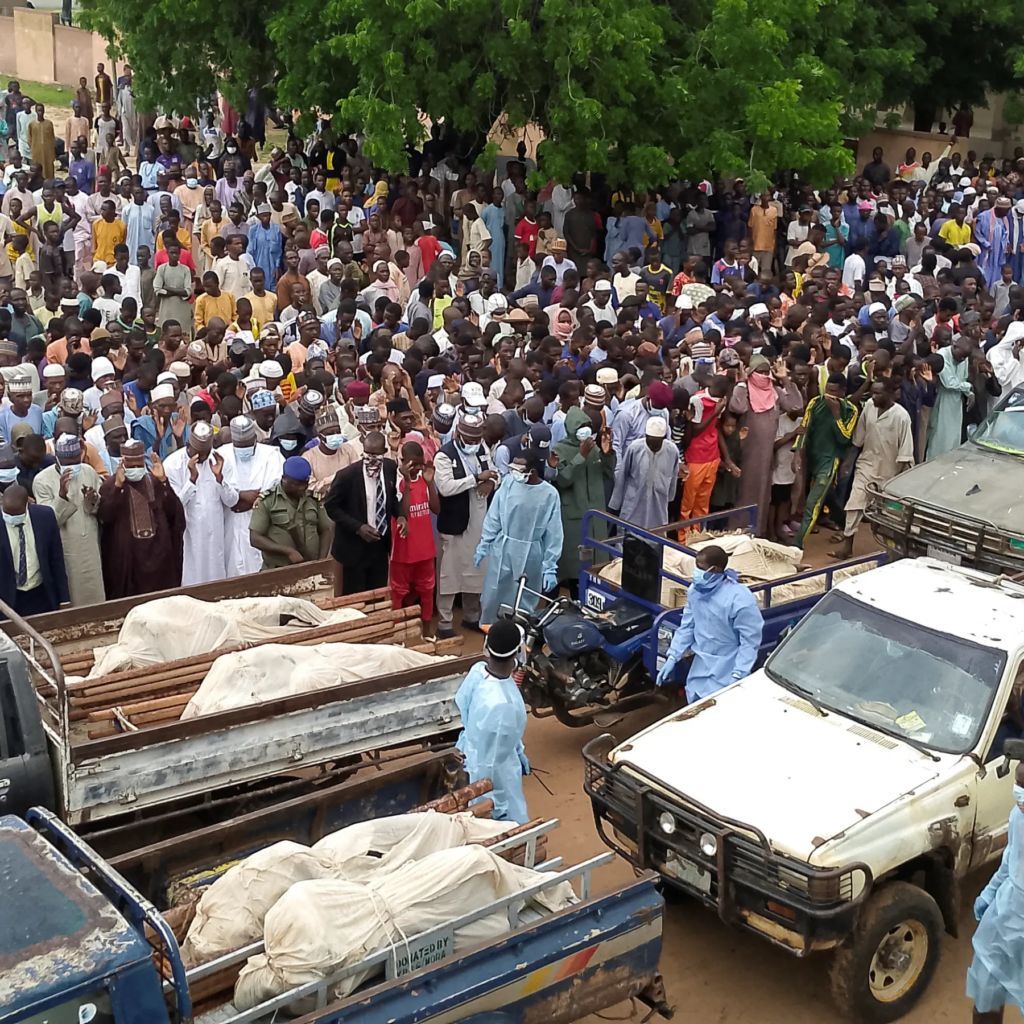
At least 30 people, including women and children, have reportedly been killed after armed attackers invaded Naridon Village in Kauru Local Government Area of Kaduna State, renewing concerns over the security of rural communities across Southern Kaduna.
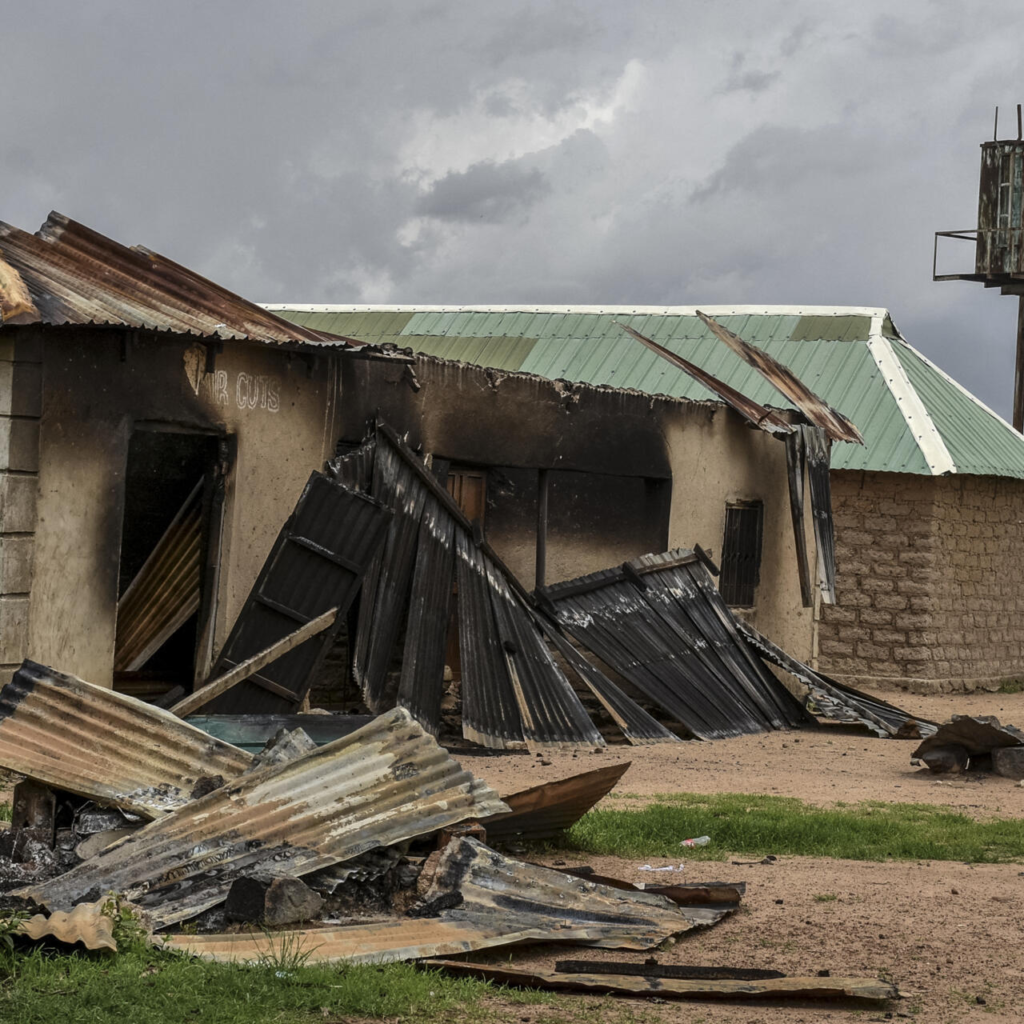
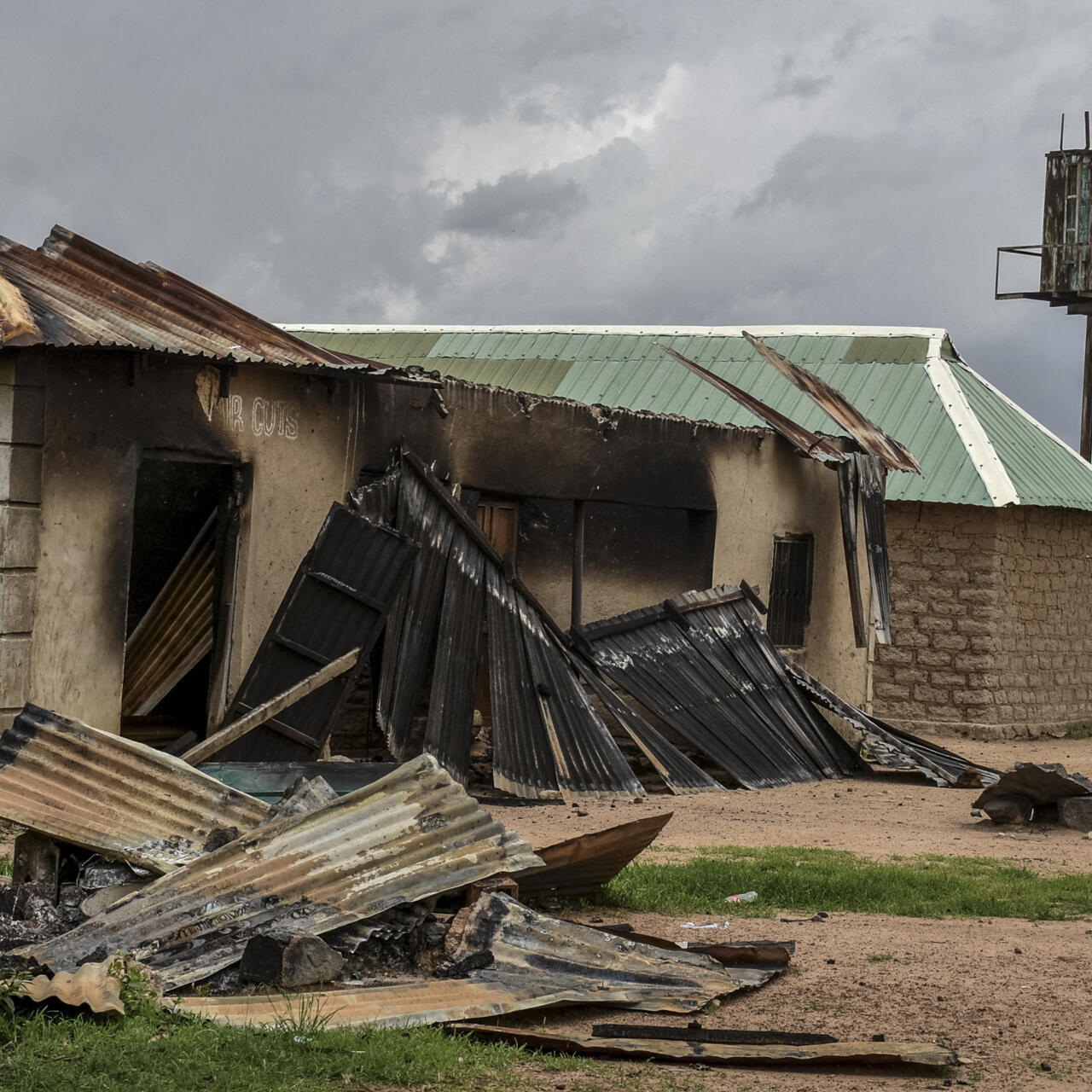
The attack reportedly occurred on Sunday night, July 26, 2026, when gunmen entered the community and opened fire on residents. Several houses were also said to have been set ablaze, forcing surviving villagers to flee into nearby bushes and neighbouring settlements.
Initial accounts of the Naridon Village attack placed the death toll at no fewer than 30. However, the figure remained provisional because a comprehensive casualty list and detailed confirmation from the Kaduna State Police Command or state government had not been publicly established at the time of this report.
Residents and community sources described a night of confusion as the assailants allegedly moved through the village, attacking civilians and burning property.
Search and recovery efforts reportedly continued after daybreak, raising concerns that the casualty figure could change as residents account for missing relatives.
Women and children reportedly among victims
Early reports indicated that women and children were among those killed in the Naridon Village attack.
The victims’ identities had not been formally published, while the number of people injured, missing or displaced remained uncertain.
Such uncertainty is common in attacks on remote communities, where poor telecommunications, difficult roads and delayed access by security and emergency personnel can prevent immediate verification.
Authorities must urgently produce an accurate register of those killed, injured and missing.
Families deserve verified information rather than conflicting figures circulated through social media.
The Kaduna State Government should also disclose the hospitals receiving injured survivors and establish an emergency information channel through which relatives can seek reliable updates.
Until an official count is completed, reports should continue to describe the figure as “at least 30 reportedly killed” rather than presenting it as a final government-confirmed toll.
Houses reportedly set ablaze
Apart from the killings, several homes were reportedly burned during the assault.
The destruction has potentially created an immediate humanitarian crisis for survivors who may have lost shelter, food, clothing, documents and sources of livelihood.
The Naridon Village attack therefore requires more than a conventional security response.
Emergency agencies should conduct a rapid assessment of the affected community and neighbouring settlements receiving displaced residents.
Survivors will require temporary accommodation, food, clean water, medical attention and psychological support.
Children displaced by the attack may also be unable to attend school, while farmers could lose access to their land during a critical period of the agricultural season.
The Kaduna State Emergency Management Agency, the National Emergency Management Agency and humanitarian organisations should coordinate assistance based on a transparent register of affected families.
Relief distribution must not be politicised or restricted to people with access to influential officials.
Identity of attackers not officially established
Although the attackers have been widely described as terrorists or bandits, no group had publicly claimed responsibility for the Naridon Village attack at the time of reporting.
Security agencies had also not released evidence identifying the organisation, network or individuals behind the killings.
This distinction is important.
The language used to describe armed groups in Nigeria often varies between official agencies, residents and media organisations.
Some attackers operate primarily as kidnapping and cattle-rustling gangs, while others may be connected to extremist organisations or local armed networks.
Journalists should not assign a specific ethnic, religious or organisational identity without credible evidence.
Doing so could deepen tension, encourage reprisals and expose innocent communities to collective blame.
Investigators must determine who carried out the attack, where they came from, how many were involved and whether they received assistance from informants.
Kauru faces repeated violence
The latest killings occurred barely six weeks after another attack in Kauru Local Government Area.
On June 17, 2026, suspected bandits attacked Ungwan Magaji in Kamaru Ward, killing nine people, including four children, and injuring 11 others.
That incident highlighted the continuing vulnerability of communities across the local government area.
In February 2026, gunmen also attacked a community in Kauru, killing three villagers and abducting 11 people, including a Catholic priest, according to reporting by the Associated Press.
These previous attacks do not establish the identity or motive of those responsible for the Naridon Village attack.
They do, however, demonstrate a pattern of repeated violence requiring a sustained security response rather than temporary deployments after each tragedy.
Security personnel must maintain a visible and intelligence-led presence in vulnerable communities before attackers strike.
Questions over delayed security response
Residents will expect authorities to explain whether security agencies received any warning before the attack and how quickly personnel responded after distress calls were made.
That inquiry should establish the nearest operational base, the condition of access roads and whether inadequate communication delayed intervention.
The Naridon Village attack exposes the dangerous gap between rural communities and security formations expected to protect them.
Many villages rely on informal communication networks because mobile coverage is weak or unavailable.
The government should provide reliable emergency communication systems, including functional telephone lines and radio links connecting community leaders with security commands.
Security patrols must also cover routes frequently used by armed groups rather than remaining concentrated around major towns.
A strategy that begins only after dozens of residents have been killed cannot be described as adequate protection.
Survivors require immediate protection
Security forces must protect survivors who may wish to return to recover bodies, assess damage or retrieve property.
Attackers sometimes return to communities after an initial raid or ambush residents travelling along evacuation routes.
The military and police should therefore secure the area before displaced residents are encouraged to return.
The response to the Naridon Village attack should include patrols across nearby villages, forest corridors and access roads.
Medical teams must be allowed to reach injured people quickly, while humanitarian vehicles should enter the community without obstruction.
Authorities should also guard against arbitrary arrests or collective punishment during security operations.
Intelligence gathering is most effective when residents trust security personnel enough to share useful information.
https://ogelenews.ng/gunmen-kill-at-least-30-burn-homes-in-fresh-souther…
Governor must address affected community
Kaduna State Governor Uba Sani should personally address the killings and provide a clear account of the government’s response.
A credible statement should go beyond condemning the attack.
It should state when security personnel arrived, how many victims were recovered, the number receiving treatment and what immediate measures are being taken to prevent another assault.
The government should also clarify whether senior officials have visited Naridon and met with survivors.
After attacks in Kauru and Igabi in 2024, the governor called for aggressive military operations against armed groups and sent a delegation to assess affected communities.
The latest violence will test whether those earlier commitments translated into durable protection.
Condolence visits are important, but residents require an operational plan with timelines, resources and accountable leadership.
Federal Government faces renewed security questions
The Federal Government also bears responsibility for confronting the armed networks operating across Kaduna and neighbouring states.
Military deployments must be supported by accurate intelligence, aerial surveillance, rapid-response units and effective coordination with police and state authorities.
The killing of at least 30 residents, if officially confirmed, would represent another major failure to protect civilians despite repeated promises to improve security.
The Naridon Village attack comes amid wider concern over armed violence, mass abductions and attacks on places of worship across Kaduna.
In January 2026, police confirmed that simultaneous attacks on churches in Kajuru had taken place after initially disputing reports of the incident. A state lawmaker said 177 people were abducted, with 168 still missing at the time of the early report.
That episode demonstrated why authorities must investigate community reports quickly and communicate honestly.
Premature denials can undermine public trust and waste critical rescue time.
Community intelligence must be strengthened
Residents often have valuable knowledge about suspicious movements, unfamiliar visitors and routes used by attackers.
However, intelligence-sharing mechanisms will fail where communities fear retaliation or believe their warnings will be ignored.
The government should establish protected reporting systems and improve cooperation between traditional rulers, community associations and security formations.
Local vigilante groups may provide support within the law, but they must not be abandoned to confront heavily armed attackers without professional assistance.
Their activities also require proper regulation to prevent abuses, ethnic profiling or retaliatory violence.
The investigation into the Naridon Village attack should examine whether warning signs were reported and, if so, how authorities responded.
Any official who negligently ignored actionable intelligence should be held accountable.
Authorities must publish investigation findings
Nigeria’s history of community attacks is filled with investigations whose findings were never made public.
That pattern encourages impunity.
Police must collect evidence from the scene, obtain witness statements, analyse the movement of the attackers and trace any weapons or vehicles recovered during subsequent operations.
The government should periodically update the public on arrests, prosecutions and efforts to dismantle the network responsible.
Suspects must be treated as innocent until convicted in a competent court, but the process should not disappear from public attention once national outrage subsides.
Families of those killed deserve justice, not another unresolved case.
An independent and transparent inquiry into the Naridon Village attack would also identify security weaknesses and recommend preventive measures for other vulnerable communities.
Kaduna cannot normalise repeated massacres
The repeated killing of civilians must not become accepted as an unavoidable feature of life in Southern Kaduna.
Every casualty represents a family, livelihood and future destroyed.
Residents should not have to choose between abandoning ancestral communities and remaining exposed to armed raids.
The state and federal governments must demonstrate that rural lives receive the same protection as residents of major cities.
That requires permanent security coverage, better roads, emergency communication, intelligence cooperation and swift prosecution of those responsible for attacks.
The Naridon Village attack is not merely another statistic in Nigeria’s insecurity crisis.
It is a test of whether the government can protect citizens, respond truthfully and hold perpetrators accountable.
For now, the immediate priorities are to secure the community, recover the victims, treat the injured and provide emergency assistance to displaced families.
Authorities must then establish a verified casualty figure and explain how armed men were able to enter Naridon, reportedly kill at least 30 residents and escape.
Anything less would deepen the grief and mistrust already confronting the community.