












Nigeria-South Africa xenophobia talks
Nigeria has demanded stronger and measurable action from South Africa to end recurring attacks against Nigerians and other African migrants, warning that the violence is damaging relations between two of the continent’s most influential countries.
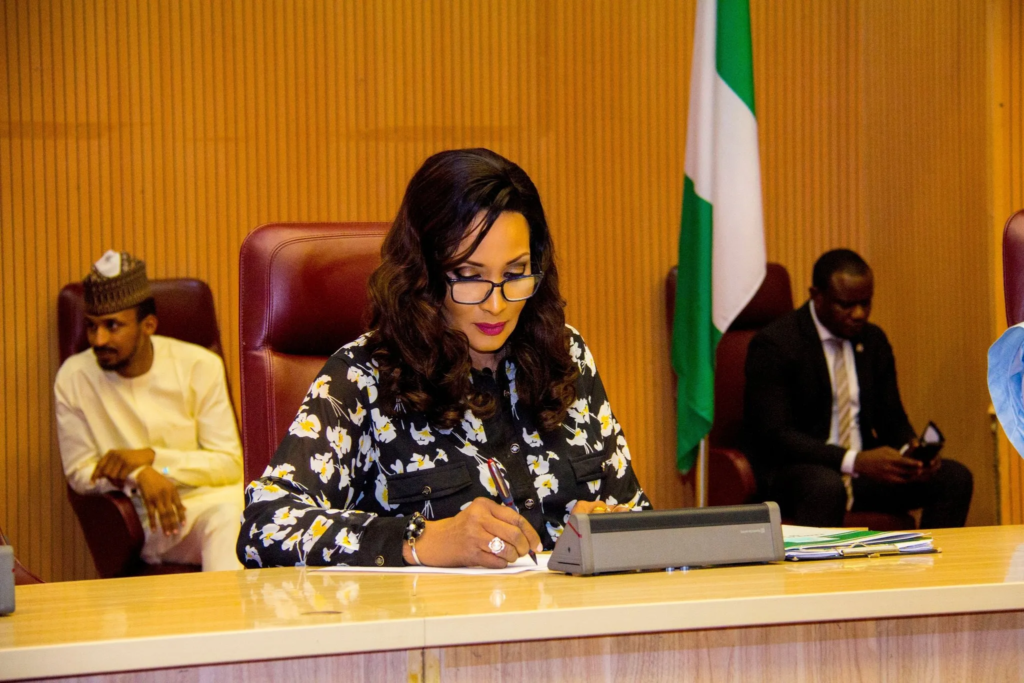
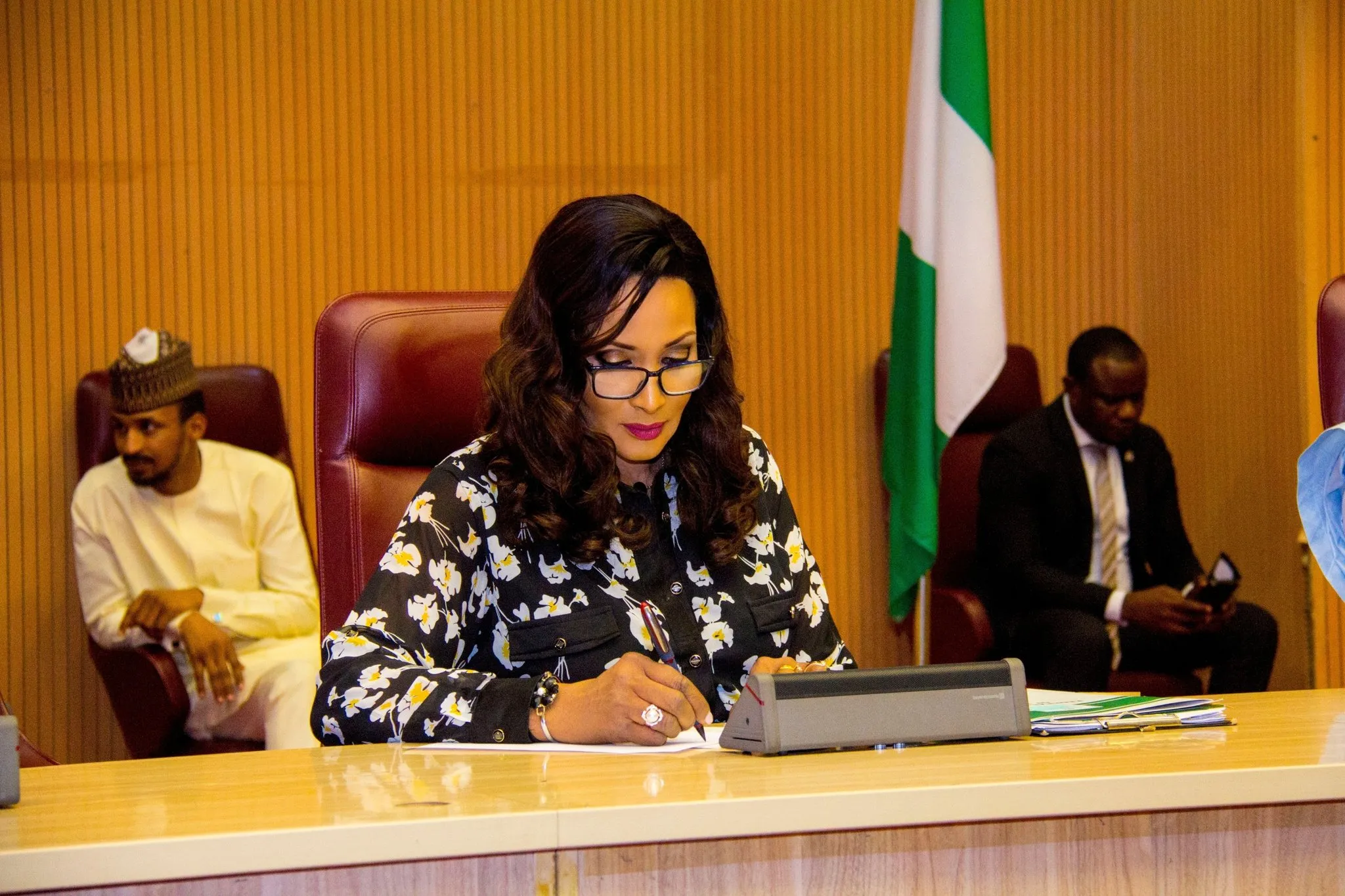
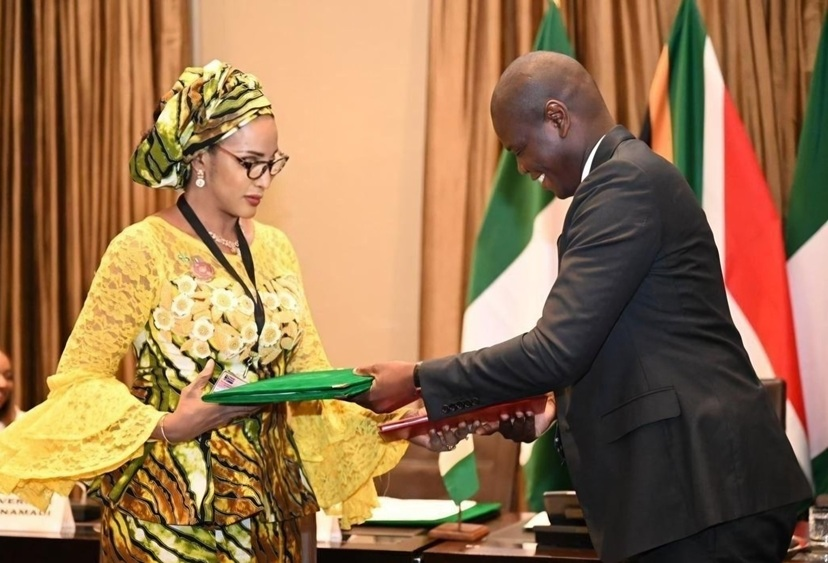
The warning was delivered during a tense diplomatic meeting in Abuja between Nigeria’s Minister of State for Foreign Affairs, Ambassador Sola Enikanolaiye, and a South African delegation led by the country’s Minister of International Relations and Cooperation, Ronald Lamola.
Lamola visited Nigeria as a special envoy of South African President Cyril Ramaphosa following growing outrage over attacks, intimidation, looting and anti-immigrant protests directed at foreign nationals in South Africa.
President Bola Tinubu did not personally receive the delegation. He directed the visiting officials to meet Enikanolaiye, who was expected to brief him on the outcome of the discussions.
The development has heightened interest in the Nigeria-South Africa xenophobia talks, with some observers interpreting the President’s decision as a deliberate diplomatic signal that Abuja is dissatisfied with Pretoria’s handling of the crisis.
However, the term “snub” should be used carefully. The Presidency has not officially stated that Tinubu refused the meeting to humiliate Ramaphosa or downgrade relations with South Africa.
What is clear is that Nigeria used the Abuja meeting to deliver a forceful protest over the safety of its citizens.
Nigeria condemns recurring attacks
Enikanolaiye told the visiting delegation that repeated violence against Nigerians and other African nationals had become a major concern for the Federal Government.
He described the incidents as part of a troubling pattern of “Afrophobic attacks” rather than isolated disputes between individuals.
Nigeria’s position is that both documented and undocumented migrants have been targeted, while legally resident Nigerians have also suffered intimidation, attacks and destruction of their businesses.
The minister said Nigerian officials had documented 98 deaths linked to xenophobic attacks since 2022. He also referred to cases in which South African police allegedly failed to intervene effectively while foreign nationals were threatened or attacked.
Those allegations have made police conduct an important subject in the Nigeria-South Africa xenophobia talks.
Abuja wants Pretoria to demonstrate that its security agencies will protect every resident, regardless of nationality, and arrest anyone involved in mob attacks, intimidation or looting.
Nigeria acknowledged that some of its citizens abroad may be accused of criminal conduct. It nevertheless insisted that every suspect must be arrested, investigated and prosecuted under the law rather than subjected to collective punishment or mob violence.
That distinction is essential.
A foreign national who commits an offence should face justice as an individual. His nationality cannot lawfully become a reason to attack an entire migrant community.
Tinubu delegates meeting to minister
The decision by Tinubu not to receive Lamola personally generated considerable political discussion.
South Africa had presented Lamola as Ramaphosa’s special envoy, ordinarily suggesting that he was carrying a direct message from the South African President.
Rather than host him at the Presidential Villa, Tinubu instructed the delegation to meet the Minister of State for Foreign Affairs.
The arrangement does not mean Nigeria has suspended diplomatic relations with South Africa. It may, however, indicate the seriousness with which Abuja views the renewed violence.
Diplomatic protocol often communicates political meaning beyond official statements. The level at which a visiting envoy is received may reflect the host government’s assessment of the matter, the envoy’s rank and the current condition of bilateral relations.
Nevertheless, veteran reporting requires restraint. Without an official explanation from the Presidency, the meeting should not be portrayed as a proven personal insult to Ramaphosa.
The more important development is that the Nigeria-South Africa xenophobia talks went ahead and produced direct exchanges between senior representatives of both governments.
South Africa rejects xenophobia allegation
Lamola told Nigerian officials that the South African government opposed xenophobia, racism and discrimination.
South Africa’s Department of International Relations and Cooperation later said both delegations agreed on the need to reduce inflammatory public statements and prevent hostile actions.
Pretoria maintained that crime and public frustration could never justify vigilante violence, intimidation or attacks against foreign nationals.
It also emphasised that immigration concerns should be handled through lawful government institutions rather than self-appointed groups or street mobs.
That position is important, but Nigeria is demanding more than diplomatic assurances.
Previous outbreaks of xenophobic violence have also been followed by official condemnations, reconciliation meetings and promises of investigations. Yet attacks and anti-immigrant campaigns have repeatedly returned.
For that reason, the success of the Nigeria-South Africa xenophobia talks will be measured by concrete outcomes rather than carefully worded communiqués.
Nigeria will expect arrests, prosecutions, protection for threatened communities, compensation where legally appropriate and transparent investigations into deaths involving its citizens.
Nearly 1,500 Nigerians evacuated
The gravity of the crisis is reflected in the evacuation of 1,490 Nigerians from South Africa.
Nigeria completed the voluntary repatriation exercise in July 2026, with the final flight carrying 305 returnees from Johannesburg.
The evacuations followed months of protests and attacks targeting immigrants in parts of South Africa.
Some demonstrators accused foreign nationals of contributing to unemployment, crime and pressure on public services. Migrant-rights organisations countered that foreigners were being made scapegoats for deeper economic and governance problems.
For the Nigerians who returned home, the crisis was not an abstract diplomatic disagreement.
Many had established homes, businesses and careers in South Africa. Returning to Nigeria meant abandoning livelihoods, disrupting children’s education and beginning again under difficult economic conditions.
The evacuation figures add urgency to the Nigeria-South Africa xenophobia talks and weaken any attempt to dismiss the violence as exaggerated social-media reporting.
The returnees’ experiences should be formally documented. Their accounts could help the government identify patterns, support possible legal claims and determine whether victims lost property or suffered physical attacks.
Claims of police inaction raise concern
One of Nigeria’s strongest complaints concerns allegations that South African police officers failed to protect foreign nationals.
Enikanolaiye said Abuja had received reports of situations in which police appeared unwilling or unable to intervene.
He warned that repeated failure to protect victims could raise questions about state complicity.
That is a serious diplomatic allegation and must be supported through credible investigations.
State complicity does not necessarily mean that a government openly authorised xenophobic attacks. It could include deliberate inaction, failure to enforce the law, discriminatory policing or refusal to investigate offences against migrants.
South African authorities should therefore publish details of arrests, prosecutions and disciplinary action connected to recent attacks.
If police officers abandoned victims or collaborated with violent groups, the officers should face investigation and sanctions.
https://ogelenews.ng/xenophobia-nigeria-confronts-south-african-envoy-as…
The Nigeria-South Africa xenophobia talks should establish a joint system for monitoring such complaints rather than leaving victims to navigate unfamiliar legal processes alone.
Nigerian diplomatic missions should also provide accessible reporting channels through which citizens can submit evidence, request legal assistance and receive verified security information.
Tinubu seeks wider African response
Nigeria has also attempted to move the xenophobia dispute beyond bilateral diplomacy.
Tinubu recently urged African governments to present a united position against what he described as Afrophobic attacks in South Africa.
Speaking at an ECOWAS meeting, he called for the matter to be raised before the African Union.
This approach recognises that Nigerians are not the only victims.
Migrants from Ghana, Mozambique, Malawi and other African countries have also faced hostility in South Africa.
A coordinated continental response could place greater pressure on Pretoria while preventing the dispute from becoming a narrow confrontation between Nigeria and South Africa.
The African Union’s principles promote African integration, free movement and cooperation. Recurring attacks against African migrants undermine those objectives and weaken the continent’s claim to political solidarity.
The Nigeria-South Africa xenophobia talks should therefore contribute to a wider African framework for preventing anti-migrant violence.
Such a framework could include early-warning systems, emergency diplomatic coordination, victim-support arrangements and agreed standards for investigating attacks.
Economic grievances cannot excuse violence
South Africa faces serious challenges, including unemployment, inequality, crime and pressure on public services.
These problems are real, but blaming foreigners provides no lasting solution.
Migrants do not design national economic policy, control municipal budgets or determine the performance of the police.
Where immigration laws have been violated, the government has the authority to arrest, prosecute or deport offenders through established legal procedures.
Street groups have no right to inspect identity documents, close businesses, evict families or attack people they consider foreign.
Similarly, political leaders must avoid statements that encourage citizens to associate migrants with every social problem.
Anti-immigrant rhetoric can quickly move from political mobilisation to intimidation and violence.
South African leaders should communicate clearly that no economic difficulty gives anyone the right to attack another African.
The Nigeria-South Africa xenophobia talks must confront this political dimension instead of treating every incident as ordinary crime.
Nigeria must avoid retaliatory attacks
Public anger in Nigeria has led to calls for boycotts of South African companies, entertainers and products.
Nigerians have a right to make lawful consumer choices and campaign peacefully for diplomatic action.
However, retaliation against South African citizens or businesses in Nigeria would be dangerous and counterproductive.
Many South African-owned businesses operating in Nigeria employ Nigerians, pay taxes and serve Nigerian customers. Attacking such businesses could destroy local jobs while doing little to protect citizens living in South Africa.
Nigeria must not reproduce the same collective punishment it is condemning.
South African nationals living peacefully in Nigeria deserve protection under Nigerian law.
Diplomatic pressure should be targeted at institutions and officials responsible for preventing violence, not directed indiscriminately at people because of their nationality.
This principle should remain central to the Nigeria-South Africa xenophobia talks.
Bilateral relationship remains important
Nigeria and South Africa have historically played major roles in African diplomacy, peacebuilding and economic development.
Nigeria supported anti-apartheid movements and provided political and financial assistance during South Africa’s struggle against racial minority rule.
Since the end of apartheid, the two countries have developed extensive commercial, cultural and political ties.
South African companies operate across important sectors of the Nigerian economy, while Nigerian professionals, students and entrepreneurs have established communities in South Africa.
The entertainment industries of both countries have also become increasingly connected through Afrobeats, Amapiano, film and fashion.
This relationship is too important to be allowed to deteriorate because of repeated attacks and inadequate accountability.
At the same time, historical friendship cannot require Nigeria to remain silent when its citizens are killed, intimidated or displaced.
Sustainable relations must be based on reciprocal respect and protection.
What South Africa must do next
The Abuja meeting should be followed by a clear implementation plan.
South Africa should provide Nigeria with verified information on recent attacks, including the number of victims, arrests made and prosecutions commenced.
It should investigate allegations of police inaction and establish whether officers failed to carry out their duties.
The government should protect foreign-owned businesses threatened by vigilante groups and prevent organisations from conducting unlawful immigration raids.
Victims and their families should receive access to police reports, autopsy findings, court proceedings and legal representation.
Nigeria should appoint officials to monitor each unresolved case and publish periodic updates without compromising active investigations.
Both governments should also establish an emergency communication mechanism to address new threats before they escalate.
Without such measures, the Nigeria-South Africa xenophobia talks risk becoming another diplomatic ceremony followed by limited action.
Diplomacy must produce accountability
Tinubu’s decision to delegate the meeting may be remembered as a diplomatic rebuke, but the symbolism should not overshadow the central issue.
The test is not whether Lamola entered the Presidential Villa or met the President personally.
The test is whether Nigerians and other migrants will be safer after the Abuja discussions.
South Africa has again condemned xenophobia. Nigeria has again demanded protection and accountability.
Both countries must now convert those positions into measurable action.
The perpetrators of violence must be identified and prosecuted. Police officers accused of abandoning victims must be investigated. Lawful migrants must be protected, while immigration offences must be handled through due process.
Nigeria should continue engaging South Africa while preparing stronger diplomatic, legal and continental responses if the attacks persist.
The Nigeria-South Africa xenophobia talks offer another opportunity to prevent the relationship from deteriorating further.
That opportunity will be wasted if promises are not followed by enforcement.
For millions of Africans who believe in continental unity, the crisis is bigger than relations between Abuja and Pretoria. It raises a fundamental question about whether Africans can live in other African countries without being treated as enemies.
The answer must come not only through speeches but through law, protection and justice.